
Bereavement House Clearance Clitheroe
Balancing urgency with respect, bereavement house clearance in Clitheroe involves detailed family instructions, careful planning and thoughtful handling of cherished possessions amidst practical estate demands.
Making decisions about what to keep and what to clear from a loved one’s home often arrives at a time of emotional complexity and practical urgency. Bereaved families in Clitheroe, Lancashire, frequently face the challenge of balancing treasured mementoes with the reality of clearing out a property, a process that demands thoughtful communication and clear instructions to prevent misunderstandings and loss.
The dialogue between relatives and executors often shapes how a house clearance unfolds, especially when multiple family members have differing views on sentimental items or estate contents. Sharing detailed guidance about retention and removal early on can ease tensions and ensure the clearance respects the family’s wishes while meeting logistical needs.
Bereavement House Clearance in Clitheroe — What to Consider
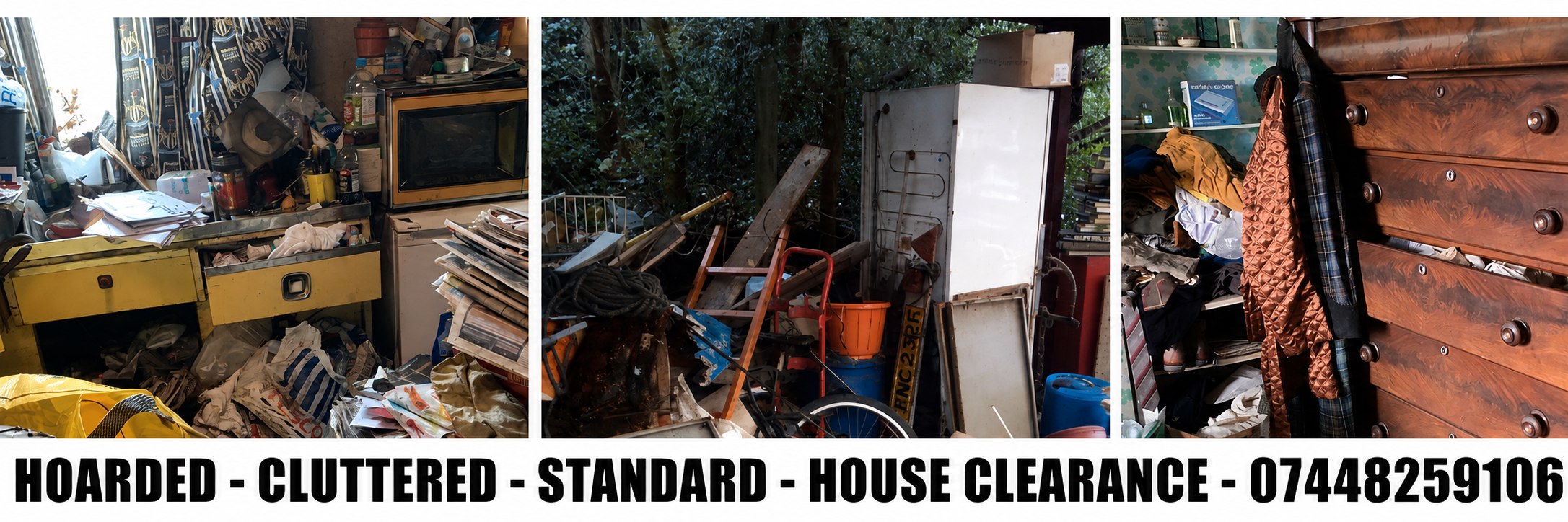
When a relative first approaches us about bereavement clearance in Clitheroe, an honest appraisal of the property’s condition is vital. A realistic description of the scale of clutter—ranging from accumulated household items to garden sheds packed with tools and belongings—allows us to tailor a clearance plan that fits the situation and provides an accurate estimate.
The presence of multiple storerooms, garages, or outbuildings often complicates assessment. Relatives might downplay or overlook these spaces, but acknowledging their contents upfront helps prevent surprises at the time of clearance and keeps the process efficient.
Property Contents and Important Belongings in Clitheroe
Within the property, some possessions lend themselves to thoughtful donation or reuse, such as well-preserved furniture or garden equipment. Other items, like broken appliances or expired chemicals in garages, usually require responsible disposal. We avoid promising what can be sold or gifted, as valuations and acceptances depend on condition and market demand.
Retained heirlooms, including jewellery or delicate ornaments, need clear labelling and careful segregation from general waste or donation piles. This distinction ensures keepsakes reach the rightful family members without risk of accidental removal during clearance.
Planning Bereavement House Clearance in Clitheroe
The clearance planning typically involves detailed discussions with the appointed executor or a designated relative, often remotely based. Establishing the scope, from a whole-house emptying to selective room clearance, hinges on agreed instruction and precise authorisation to avoid misunderstandings over property access or item retention.
Clear channels for communicating last-minute decisions or changes in retained items are indispensable, particularly when relatives live in different parts of the country. Digital photo updates and labelled inventories support transparency and confidence throughout the clearance process.
Bereavement House Clearance Case Study — Clitheroe
We were contacted by an executor managing a Clitheroe estate with limited availability to visit the property himself, which was nestled in a terraced street with narrow staircases and no rear access. On arrival, we found the house densely packed with accumulated furniture, cupboards brimming with paperwork and personal letters, and a cluttered garage stacked with gardening gear and old paint cans.
The executor stressed the need to retain certain documents and a few pieces of jewellery identified by distant relatives. Our first task was to create a step-by-step clearance schedule beginning with careful sorting in the main living areas before attempting the garage, which required more specialist handling due to hazardous materials.
Because access to the property was via a key left with a neighbour, coordination with that contact was essential. We agreed to begin with the ground floor rooms, sorting and labelling items that relatives wished to keep, while setting aside materials flagged for professional disposal or recycling.
Throughout the operation, we maintained close communication with the executor and family members, sending images of labelled boxes and verifying disposal plans for some of the garage contents. By working systematically and respecting the priorities set, the clearance could proceed without undue delay or risk of losing important belongings.
Family Possessions and Decisions in Clitheroe
Disagreements frequently arise when family members have different ideas about which keepsakes hold sentimental value. A practical approach is to group personal possessions into labelled categories, such as ‘Retain for Executor’, ‘To Be Distributed by Family’, or ‘Undecided, Review Later’. These classifications help prevent confusion and support a more organised clearance.
In the Clitheroe enquiry, for example, personal letters and a selection of vintage jewellery were carefully separated from general household effects. This grouping allowed relatives time to consider their significance before making final choices, reducing emotional pressure during the clearance.
Bereavement House Clearance Costs and Quotations in Clitheroe
The overall cost of a bereavement clearance depends on factors like the volume and nature of items, property accessibility, and whether specialist waste removal is required—such as for hazardous substances found in garages or sheds. Limited access through narrow stairways or lack of lift facilities may increase the time and labour involved, influencing the quotation.
Time constraints also affect pricing, especially when an executor requires a swift turnaround. While we cannot provide fixed fees without assessment, transparent discussions about these variables allow families and executors to plan the clearance according to their budget and timeframe.
How to Enquire About Bereavement House Clearance in Clitheroe
When making an initial enquiry, an executor’s ability to clarify their authority and provide details about property access arrangements is crucial. Informing us whether keys are held locally or by a neighbour, and whether the clearance should cover the entire house or select rooms, enables a focused and efficient planning process.
Specifying items for retention or disposal also helps us understand the clearance’s complexity. Even rough inventories or photographs communicated at enquiry stage can make a significant difference in preparing an accurate quote and scheduling appropriate resources.
Specialist Bereavement House Clearance in Clitheroe
Bereavement house clearance in Clitheroe requires sensitive handling of papers and personal photographs, which are often irreplaceable and emotionally charged. Protecting these items demands extra care, including secure packaging and clear labelling to avoid accidental disposal. Families should communicate prioritised documents early, especially those linked to wills, probate, or family history.
Sometimes, relatives ask us to separate boxes of photographs or treasured documents from general contents to enable their review during the clearance period. This approach allows executors and family members to make decisions in their own time, without risking loss or damage amid broader property clearing operations.
Discuss Bereavement House Clearance in Clitheroe
Effective clearance after a bereavement in Clitheroe hinges on clear communication, methodical sorting and sensitivity to family wishes—ensuring treasured belongings are protected while the property is efficiently prepared for its next chapter.