
Probate House Clearance Clitheroe
Probate house clearance in Clitheroe presents unique challenges when executors require selective removal of contents while preserving designated rooms and important belongings. Careful planning, clear communication, and respect for family wishes shape a successful clearance process.
Sorting through a probate property in Clitheroe often presents the difficult task of deciding precisely which possessions to keep undisturbed and which to clear away. This balance requires clear, detailed communication from those responsible for the estate—often executors or administrators—so that the clearance team can work within agreed boundaries without compromising items of importance.
Clear instructions are essential, especially when some rooms or sections of the house must remain sealed or untouched, while others are cleared to prepare the property for the next phase, whether sale, refurbishment or gifting. Understanding these requirements early on shapes the clearance approach and protects the interests of all involved parties.
Probate House Clearance in Clitheroe — What to Consider
When dealing with probate house clearance, identifying who holds the authority to approve removal of items is crucial but often not straightforward. Executors named in the will usually have that responsibility, but if no will exists, responsibility may fall to an administrator appointed by the Probate Registry. A clear chain of authority must be established before any clearance work begins, to avoid disputes or unlawful disposal of possessions.
While we do not provide legal advice, we emphasise that any clearance instructions should be backed by documentary proof of authority such as probate documents or letters of administration. Without these, the risk of inadvertently removing belongings still claimed by family members or beneficiaries increases significantly, complicating the process and potentially causing distress.
Property Contents and Important Belongings in Clitheroe
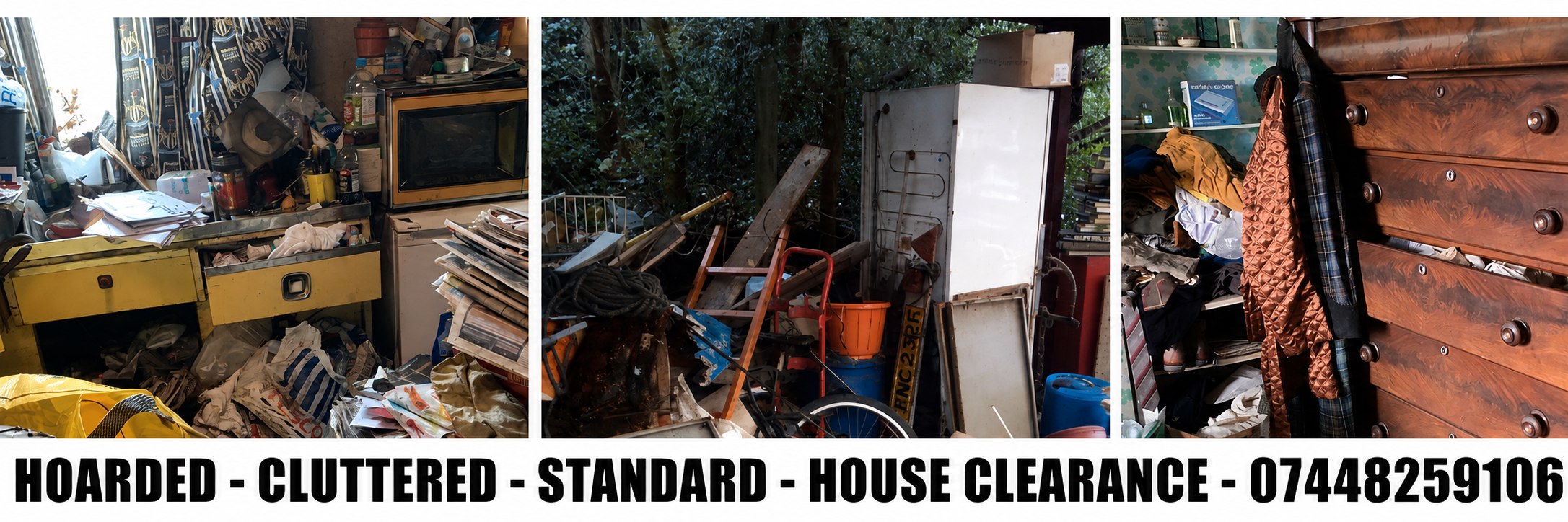
Properties can contain a mixture of contents varying widely in sentimental and practical value. Take, for instance, an attic or a hallway cupboard filled with a jumble of objects: old furniture pieces, storage boxes brimming with personal letters, dated paperwork, and various household miscellanea. Some of these items may be critical to the probate itself, such as wills tucked away in folders, alongside less significant debris.
The presence of garages or sheds often adds another dimension, with items stored for decades alongside garden tools and appliances. Recognising the blend of important belongings and general clutter within these spaces is essential for planning any clearance safely and sensitively.
Planning Probate House Clearance in Clitheroe
Several factors influence a clearance quotation beyond mere volume. Access difficulties, such as narrow staircases or restricted doorways, can lengthen the time taken to remove bulkier furniture like wardrobes or desks. Specialist disposal requirements, for example, handling hazardous materials or confidential documents, also affect the scope and complexity of the work.
A significant consideration is whether the clearance is full or partial. If certain rooms or areas—say, a family study or a bedroom—are to be preserved intact, this requires careful labelling and planning to ensure no items are mistakenly removed. Each of these aspects is accounted for during an initial assessment before a quote is finalised.
Probate House Clearance Case Study — Clitheroe
We were recently consulted by an executor responsible for managing an estate from outside Lancashire. The property in Clitheroe included several rooms with a mixture of bulky furniture and numerous packed storage boxes, some containing personal letters and jewellery alongside miscellaneous belongings. The owner’s instructions were explicit: retain the main bedroom and study untouched, including all wardrobes, a large desk, and labelled boxes in those rooms.
A key challenge was ensuring exclusion zones were clearly marked to prevent accidental disturbance. On arrival, we inspected the property, noting that some cupboards adjacent to the study contained mixed contents needing partial clearance. We needed to maintain open communication with the executor, who coordinated instructions remotely, confirming which items could be moved and which must remain.
The narrow stairwell posed logistical challenges for moving larger items. To avoid damage, we planned the clearance room-by-room, starting with the ground floor spaces and garages, leaving the agreed retention areas untouched. We also identified some paperwork requiring specialist secure removal, as per executor instructions.
Throughout the process, we advised the executor on labelling retained items and documented all steps for transparency. By following these agreed protocols, we ensured the clearance proceeded with respect for the family’s wishes and the property’s unique constraints.
Family Possessions and Decisions in Clitheroe
Disagreements over family keepsakes frequently add complexity to probate clearances. Jewellery, personal letters, and other sentimental objects often prompt differing views on what should be retained or cleared. In our experience, systematic labelling of retention groups—such as boxes clearly designated for descendants or specific rooms—greatly reduces confusion.
This method helps executors and family members visualise what remains untouched versus what is cleared away, enabling more straightforward decisions and minimizing disputes. We encourage our clients to provide a detailed inventory or instructions regarding treasured items before we begin, facilitating a smoother process for all concerned.
Probate House Clearance Costs and Quotations in Clitheroe
Several practical factors influence clearance costs. The total quantity of items to remove directly affects the time and labour involved. Properties with difficult access, such as multiple flights of stairs or tight corridors, require additional care and work time, increasing overheads.
Specialist disposal needs—like secure shredding of documents or handling of hazardous materials—also add to costs. Furthermore, partial clearances where some rooms are spared can require more meticulous organisation and care, potentially extending the duration of the project and impacting the quotation.
How to Enquire About Probate House Clearance in Clitheroe
When an executor approaches us to discuss a probate house clearance in Clitheroe, it is vital they communicate their authority clearly. Confirming probate status or providing Letters of Administration reassures all parties of the legitimacy of the clearance instructions. We also ask for specifics about property access, such as how keys are held and any security codes needed.
Equally important is defining which items or rooms are to be retained and which are part of the clearance scope. Clear, written instructions and labelling help prevent misunderstandings. This early communication shapes our initial visit and quotation, ensuring the process respects the family’s wishes and estate obligations.
Specialist Probate House Clearance in Clitheroe
Probate house clearance in Clitheroe often demands special care over certain personal items—particularly documents such as wills and bank statements, or family photographs that carry emotional value. Protecting these requires a bespoke approach, frequently involving secure packaging and separate storage before, during, and after the clearance. We factor this into our planning to ensure these items are not accidentally removed or damaged.
Sometimes the presence of important paperwork or photographs necessitates a pause or partial clearance strategy, where only non-sensitive areas are cleared initially. This approach helps executors maintain control over vital estate records while progressing clearance work. We find clear labelling and close liaison with the responsible parties key in these circumstances.
Discuss Probate House Clearance in Clitheroe
Clitheroe probate clearances that involve preserving specific rooms or treasured possessions benefit from our methodical, room-by-room planning and secure handling of important documents. Executors and families can rely on clear instructions and transparent communication to navigate their estate’s clearance with confidence.