
Probate House Clearance Morecambe
Probate house clearance in Morecambe often involves navigating extensive accumulated kitchen clutter, complex ownership of personal belongings, and logistical access considerations—all requiring clear communication and thoughtful planning.
Deciding which possessions should remain and which require removal when handling a probate house clearance can be a delicate and complex task. This is especially true in a Morecambe property where decades of accumulated belongings, particularly in kitchens, often blur the line between treasured items and clutter needing disposal.
Clear communication about these decisions is essential, often needing to be managed remotely by executors or family representatives. Conveying precise instructions on item retention, clearance boundaries and authorised actions ensures that a probate clearance progresses smoothly despite the distance and the volume of accumulated belongings.
Probate House Clearance in Morecambe — What to Consider
At the start of any probate house clearance in Morecambe, the executor or an appointed family member must determine the overall scope of the clearance. This initial decision influences everything from resource allocation to timing. Executors may find themselves weighing the volume of accumulated possessions against the practicalities of storage, sentimental value and legal obligations to the estate.
This decision sets the tone, focusing not on a generic checklist but on the immediate practical consequences. For example, deciding whether a full clearance is necessary or if only certain rooms, such as a notoriously cluttered kitchen, require attention can save time and cost while respecting family wishes.
Property Contents and Important Belongings in Morecambe
Probate house clearances often reveal important belongings that are not immediately obvious amid general clutter. In Morecambe homes, we frequently encounter family photographs tucked away among kitchen cupboards, personal letters hidden inside drawers, or vital legal paperwork misplaced beneath stacks of crockery and old appliances.
Identifying these items early is crucial. Executors or families must communicate any known locations of treasured or legally significant documents to prevent inadvertent disposal. This ensures that items with sentimental or administrative value are preserved during the clearance process.
Planning Probate House Clearance in Morecambe
Planning a house clearance requires careful coordination of practical matters such as key handover, parking availability and property access. In a coastal town like Morecambe, narrow streets or restricted parking can impact the logistics of clearance vehicles and staff movement, especially when dealing with bulky kitchen appliances or large furniture pieces.
Access considerations also include the layout of the home. For instance, steep stairs or narrow corridors can affect how items are removed and whether specialist equipment or additional personnel are needed. Executors should clarify such details with clearance professionals to facilitate accurate planning and avoid unforeseen delays.
Probate House Clearance Case Study — Morecambe
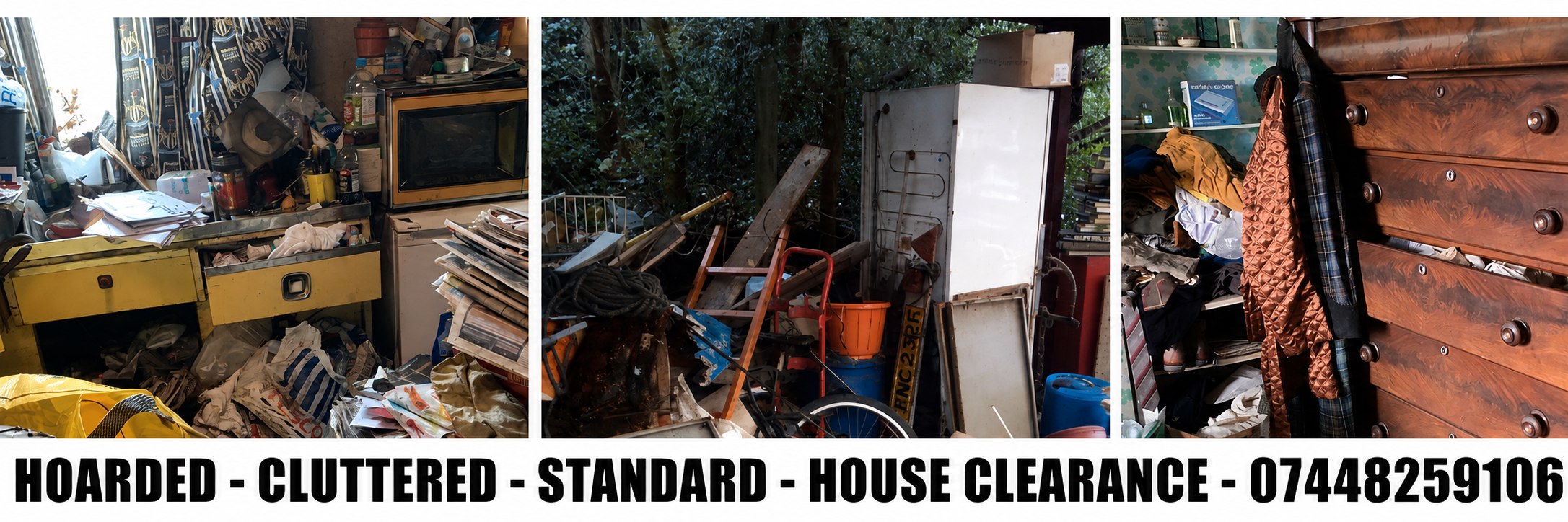
We once assisted with a probate clearance where the Morecambe family home featured an exceptionally packed kitchen. The space was crowded with old appliances, extensive crockery collections stored in multiple cupboards, and accumulated items in loft storage above. Our first step was to discuss with the executor the precise authorisations and limits on what could be removed, mindful of retaining important furniture and documents.
While sorting through cupboards and drawers, we discovered a locked box containing personal letters along with several family photographs carefully placed behind old recipe books. This required us to pause and consult the executor before proceeding, ensuring these sentimental belongings would be safeguarded.
The substantial volume of kitchen contents presented a challenge in establishing the quantity needing specialist disposal. Some items, such as worn-out electrical appliances, necessitated designated disposal routes due to environmental regulations. We assessed the quantities room-by-room, proposing partial clearance to the executor to manage removal effectively and economically.
Throughout the process, relatives communicated remotely, providing detailed instructions on items to keep versus those to clear. This included setting aside certain furniture pieces from the dining area adjoining the kitchen. By balancing clear authority, comprehensive evaluation and logistical considerations, we were able to structure a clearance plan that satisfied the estate’s requirements.
Family Possessions and Decisions in Morecambe
Probate clearances often involve multiple beneficiaries with overlapping interests in the deceased’s personal possessions. Avoiding confusion about ownership of family photographs, jewellery or treasured keepsakes requires clear lines of communication and documented instructions.
Executors must distinguish what items belong to the estate and which are to be retained by individual heirs. This prevents the risk of sentimental objects being mistakenly cleared or lost. Establishing these decisions early, and sharing them explicitly with clearance teams, helps honour family wishes and simplifies the clearance process.
Probate House Clearance Costs and Quotations in Morecambe
Understanding clearance costs hinges on identifying any specialist disposal needs before the work begins. In Morecambe properties, kitchens can contain old electrical goods, large quantities of crockery or materials requiring regulated disposal methods, such as certain appliances or chemical cleaning products.
Being clear about these items upfront allows us to provide accurate quotations without surprises later. Executors should inform us of any suspected hazardous or bulky waste so we can factor in associated costs and ensure compliant handling, avoiding delays or additional charges during the clearance.
How to Enquire About Probate House Clearance in Morecambe
When making an enquiry about probate house clearance, customers should specify whether they require a full or partial clearance. For example, families might wish to clear only kitchen and utility rooms while leaving bedrooms untouched for further sorting or retention.
Clear instructions about the scope of clearance, access arrangements and key holders help us tailor our service precisely. We encourage detailed communication so we can plan accordingly, provide accurate estimates and respect any special instructions related to personal belongings or structural features.
Specialist Probate House Clearance in Morecambe
Probate house clearance in Morecambe presents unique challenges, especially when dealing with long-occupied homes where kitchens are repositories of accumulated domestic clutter. In one case, we assessed a property filled with cupboards overflowing with crockery, dated appliances that no longer functioned, and storage spaces burdened with decades of forgotten items. Our initial task was to clarify exactly which possessions the family wished to retain, a process complicated by the volume and diversity of objects.
Logistical issues also emerged, such as limited parking near the property and narrow passages restricting the movement of bulky furniture and appliances. We carried out a room-by-room evaluation remotely, relying on detailed photographs and family instructions to understand the boundaries of clearance and identify items needing specialist disposal. Through this collaborative approach, we planned a clearance that honoured the family’s wishes while ensuring efficient and compliant removal of unwanted goods.
Discuss Probate House Clearance in Morecambe
Managing a probate clearance in Morecambe demands balancing sentimental retention with practical disposal, particularly when kitchens hold decades of possessions. Detailed advance planning and precise instructions help ensure a clearance honours family wishes and estate responsibilities.