
Bereavement House Clearance Morecambe
Bereavement house clearance in Morecambe demands a sensitive balance of practical planning and respect for cherished possessions. Families face the emotional task of sorting through a mixture of everyday items and treasured keepsakes, requiring clear communication and thoughtful handling throughout the process.
A recently vacated home in Morecambe often bears silent witness to a lifetime of memories, where photographs resting on dusty shelves and a weathered sideboard in the hallway speak volumes. In Lancashire’s coastal town, families facing bereavement find themselves confronting not just loss but the daunting task of sorting through accumulated possessions, from delicate jewellery boxes to stacks of letters and worn clothing.
The delicate process of bereavement house clearance involves more than just removing items; it requires recognising which objects carry sentimental weight or legal significance, such as wills or treasured keepsakes. Families often grapple with deciding what should be retained and what can be respectfully cleared, all while planning access and managing practical challenges that arise during the transition.
Bereavement House Clearance in Morecambe — What to Consider
Understanding who holds the authority to authorise house clearance is a pivotal yet often unclear aspect when dealing with bereavement. Family members may be unsure whether they have the legal right to instruct removal of items, particularly when there are multiple beneficiaries or unresolved probate matters. While we do not provide legal advice, we always recommend clients confirm authority before proceeding, as this ensures the clearance respects both the deceased’s wishes and legal protocols.
In practical terms, the executor named in a will typically has responsibility over the property and possessions. However, the presence of sensitive documents like wills or trusts within the property can add complexity, requiring careful handling and sometimes delayed clearance until legal matters are resolved. This initial uncertainty often shapes how families approach clearance planning and communication with us.
Property Contents and Important Belongings in Morecambe
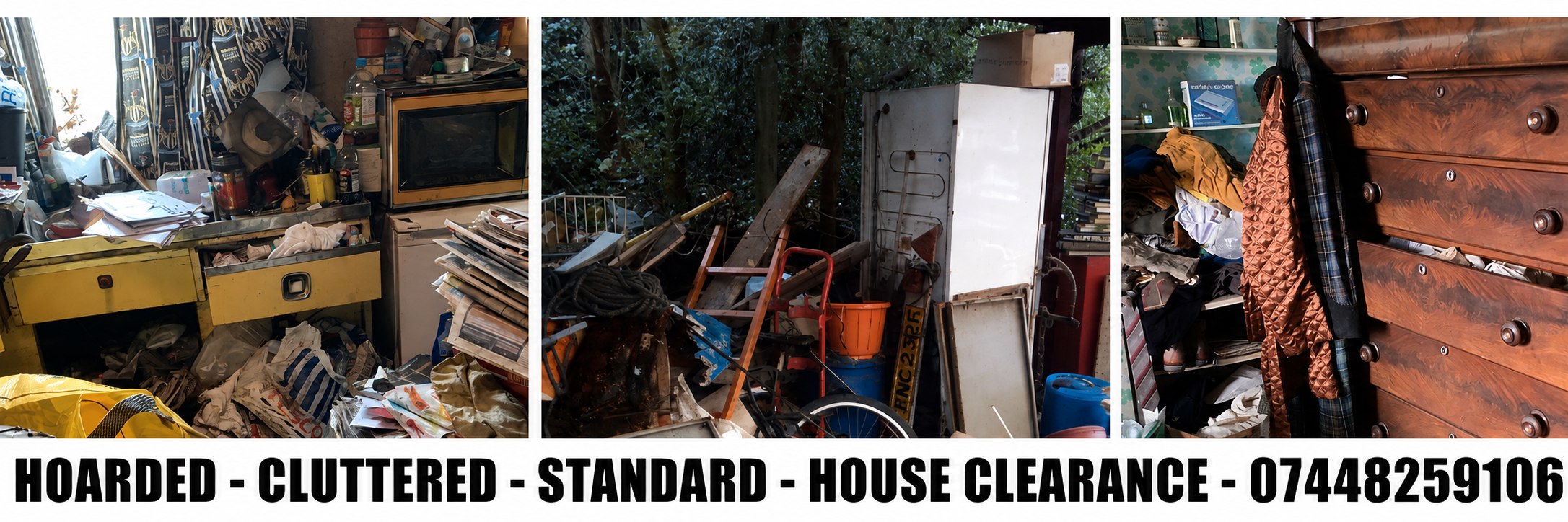
Often, a sideboard or an attic cupboard in a Morecambe property holds a mixture of everyday items alongside objects of genuine importance. For instance, a bedroom wardrobe may contain worn garments alongside faded photograph albums, while a garage or loft might house old furniture, boxes of letters, and keepsakes jumbled together with practical tools and discarded household items.
Separating these contents requires a measured approach; some items clearly stand out as worth preserving, such as jewellery or family photographs, while others, like obsolete paperwork or damaged furniture, may be identified for disposal. The mixture of practical storage and sentimental belongings within the same space underlines the need for a thorough, empathetic assessment before any removal takes place.
Planning Bereavement House Clearance in Morecambe
Quotations for bereavement house clearances depend on several factors beyond mere volume. The presence of outbuildings such as sheds or garages, the nature of the contents—fragile keepsakes versus bulkier household items—and the complexity of access to the property, such as parking constraints, all influence the scope and cost of clearance.
Moreover, instructions to retain specific valuable or sentimental items, clearly labelled for setting aside, require additional care during sorting. The extent of these partial-clearance requests, combined with room-by-room clearing plans, shapes how we allocate resources and schedule clearance work, making clear communication with families vital at the planning stage.
Bereavement House Clearance Case Study — Morecambe
We were recently approached regarding a property in Morecambe by an out-of-area executor managing an estate from several counties away. The house was largely emptied by close relatives, but a final visit revealed a sideboard filled with assorted letters, delicate jewellery, and family photographs that had been overlooked. The executor wanted us to handle a sensitive clearance while ensuring nothing precious was disposed of inadvertently.
Upon inspection, we found that the sideboard’s contents included handwritten letters dating back decades, alongside an assortment of heirloom brooches and cufflinks nestled in faded fabric boxes. Access to the property was straightforward, but parking nearby was limited, requiring careful load planning. Importantly, the executor instructed us to separate and label all potential keepsakes for their review before any removal.
As we worked through the property’s attic, the mix of unlabelled belongings presented a challenge; some items clearly held sentimental value, but others were more mundane storage accumulations. We coordinated closely with the executor by photographing and documenting items room-by-room, allowing decisions on retention or disposal to be made remotely with clarity and respect.
The outcome was a carefully staged clearance: the executor was able to retain all important correspondence and personal effects after an agreed review, while the remainder of the property was cleared efficiently. This approach balanced the executor’s logistical constraints with the family’s emotional needs, reflecting the care required in bereavement house clearance situations.
Family Possessions and Decisions in Morecambe
Before commencing any clearance, families should be encouraged to check thoroughly for important correspondence and documentation. This includes wills, legal papers, and even handwritten letters, which can carry significant emotional or legal weight. Overlooking these can lead to distress or legal complications later on.
For example, photographs tucked away in album boxes or old frames might be easy to discard but hold irreplaceable family memories. Jewellery kept in small cases or cufflink boxes is often overlooked unless specifically sought out. Properly identifying and segregating such personal possessions is a crucial step in facilitating a clearance that respects the deceased and their loved ones.
Bereavement House Clearance Costs and Quotations in Morecambe
The presence of additional spaces like garages, lofts, or garden sheds can notably affect clearance pricing and planning. Each additional outbuilding adds to the volume of items and often requires separate handling, especially if hazardous or bulky disposal is involved, such as old furniture or garden equipment.
Furthermore, agreed clearance scope must reflect whether the family wishes to retain specific rooms or items within these spaces. Partial-clearance instructions increase sorting time and careful labelling, impacting overall costs and scheduling. Families should consider these factors when discussing quotations to ensure clarity and transparency.
How to Enquire About Bereavement House Clearance in Morecambe
When making an initial enquiry about a bereavement clearance for a cluttered house, providing detailed information is invaluable. This includes specifying the number of rooms, presence of outbuildings, types of contents—such as old furniture, personal keepsakes, or stored documents—and any known requirements around retaining specific items.
Access details also matter: whether there are parking restrictions, narrow access paths, or multiple entry points. Mentioning any keys available or the need for us to coordinate with local agents or family members can help us prepare an accurate quotation and plan for the clearance logistics effectively.
Specialist Bereavement House Clearance in Morecambe
Bereavement clearance in Morecambe comes with its own set of practical challenges, especially when dealing with sensitive items like letters and photographs alongside everyday household detritus. One common difficulty is ensuring that important keepsakes, such as jewellery or family documents, are not misplaced or discarded during the clearance, particularly if the property has been vacated by relatives who may have only had limited time to sort through belongings.
A practical next step in such scenarios involves establishing a clear system for labelling and segregating retained items before the main clearance begins. This often requires working closely with executors or family representatives, who can provide instructions remotely if they cannot attend in person. By implementing detailed photographic records and secure packaging, we help ensure that sentimental possessions are preserved and handed to the rightful people, providing peace of mind amid the complexities of bereavement.
Discuss Bereavement House Clearance in Morecambe
Supporting bereaved families through house clearance in Morecambe involves more than clearing out a property; it’s about valuing memories and ensuring important belongings are protected. Proper assessment, careful planning, and transparent dialogue help make these difficult transitions more manageable and dignified.