
Bereavement House Clearance Stirling, Stirling
Bereavement house clearance in Stirling demands a sensitive balance of emotional care and practical planning, especially amid cluttered rooms and mixed personal documents. Clear communication and methodical sorting safeguard treasured items while streamlining estate management.
Bereavement house clearance in Stirling often presents a delicate balance between practical necessity and emotional sensitivity. Families faced with the responsibility of managing a loved one’s estate must navigate a complex array of belongings, from treasured keepsakes to accumulated paperwork, all within the intimate spaces of a family home. Understanding the scope of clearance needed before committing to any service is vital, particularly when rooms are heavily cluttered or access is constrained.
Knowing whether a full clearance or a more selective approach is required lays the foundation for a clear plan. This initial perspective helps families and executors anticipate challenges, secure valuable documents, and ensure that treasured possessions are handled with care. The process can be made smoother by considering the practical realities of accessing lofts, cupboards, and storage sheds where important items might be hidden among everyday clutter.
Bereavement House Clearance in Stirling, Stirling — What to Consider
A complete bereavement clearance involves removing all contents from a property, often necessary when the entire estate is being prepared for sale or transfer. This means every room, including storage spaces like garages and lofts, is thoroughly emptied. In contrast, a partial clearance focuses on certain rooms or items, such as clearing only the main living areas while preserving specific cupboards or keeping particular furniture pieces intact. For example, a family might choose to clear out a cluttered attic but retain personal items stored in the bedrooms until further decisions about inheritance are made.
Choosing between full and selective clearance depends on the circumstances of the estate and the wishes of those involved. Sometimes a single room, like a study filled with legal documents and personal papers, requires careful sorting and separation from general waste. This selective approach reduces disruption and allows families to retain important records or sentimental objects while removing accumulated items that no longer serve a purpose.
Property Contents and Important Belongings in Stirling, Stirling
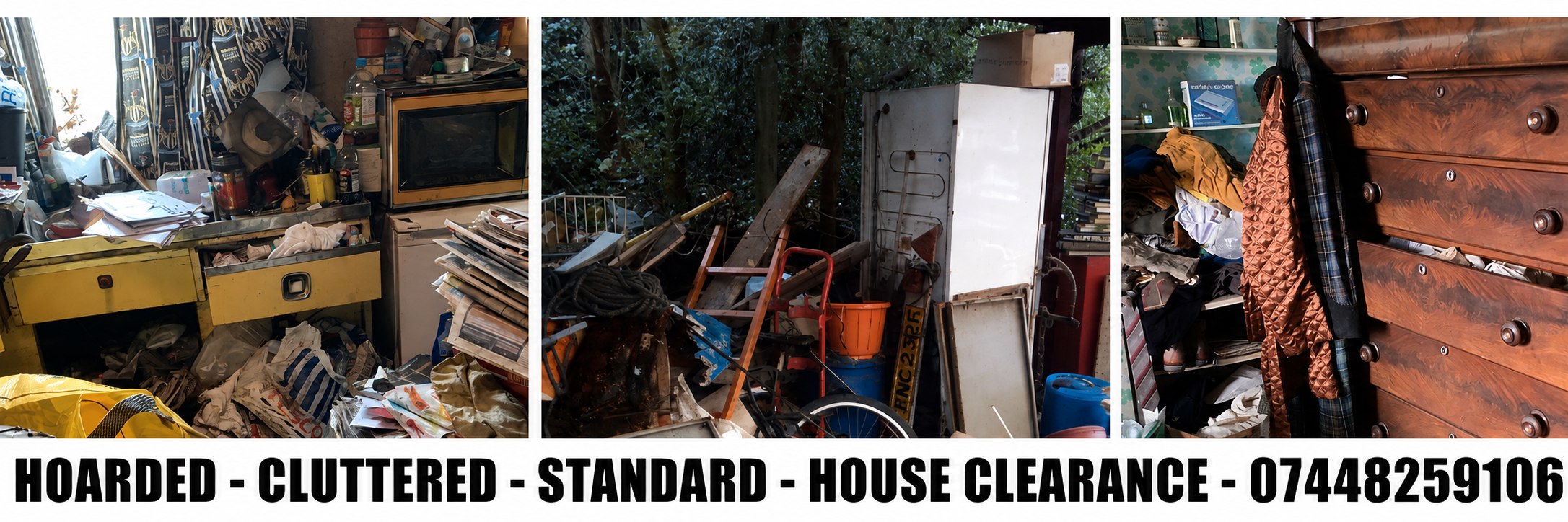
Among the contents of a Stirling property, personal photographs and legal paperwork often sit unnoticed amid everyday clutter. Boxes of old family photographs, albums tucked away in cupboards, and letters stored within drawers can easily be overlooked during a hurried clearance. Similarly, important estate documents such as wills, bank statements, and correspondence sometimes mingle with newspapers and miscellaneous folders, complicating the separation of valuables from disposables.
A thorough clearance requires patience and attention to detail to identify these significant items. They may be stored in loft spaces or amid piles of accumulated belongings in garages or sheds. Recognising the importance of these materials early in the process prevents accidental disposal and ensures that families retain the memories and records essential to their grieving and administrative journey.
Planning Bereavement House Clearance in Stirling, Stirling
Several factors influence the planning and quotation phase of a bereavement clearance. The volume of items to be removed is a primary consideration, as is the condition and accessibility of the property. Narrow staircases, limited parking, or the need for specialist disposal of hazardous materials can all affect the time and resources required, thereby impacting the overall estimate.
Clearance plans must also accommodate specific family instructions, such as retaining certain keepsakes or documents. Executor authority plays a key role in confirming what can be cleared and what must be preserved. Consequently, before agreeing to any work, it is essential to clarify these details and ensure arrangements for keys and access are well established.
Bereavement House Clearance Case Study — Stirling, Stirling
When approached regarding a Stirling property with a loft packed with accumulated papers and mixed household clutter, we began by assessing access constraints and family instructions. The property’s narrow side alley and limited parking required careful logistical planning to avoid disruption to neighbours and ensure safe removal of bulky items. After confirming executor authority to proceed, we outlined a phased clearance to separate essential documents from general waste.
The loft contained assorted boxes with family photographs, legal papers, and folders interspersed with newspapers and unwanted items. We recommended starting the clearance with this space, employing protective measures to safeguard delicate papers. By securing safe access via scaffolding and using careful room-by-room sorting, we minimised disturbance and allowed the family to review important documents before disposal.
We also noted that some cupboard spaces contained personal letters and keepsakes interlaced with everyday clutter. These required a slower, more meticulous approach to respect the family’s wishes and avoid inadvertent loss of irreplaceable items. Our plan incorporated staged removal and interim storage solutions so that retained belongings could be collected separately.
The sequencing of clearance work was crucial in this case. By prioritising the loft and cupboards, we reduced the risk of misplacing vital correspondence while preparing the main living spaces for thorough clearance. This step-by-step method ensured clarity for the family and enabled us to provide tailored support in the disposal and recycling of redundant items.
Family Possessions and Decisions in Stirling, Stirling
Before any clearance, it is essential that families review and confirm the status of personal correspondence and documents. This includes heirlooms like jewellery, sentimental letters, or photographs that may be stored alongside mundane items. Rushing clearance without adequate checks risks the loss of treasured memories or important documents needed for probate or ongoing family records.
Executors often face difficult decisions balancing the emotional attachment of relatives against practical estate management. Having clear communication and defined instructions about which possessions to retain helps prevent misunderstandings. We recommend that families identify any sensitive or valuable material early during the planning phase to ensure these items are set aside securely.
Bereavement House Clearance Costs and Quotations in Stirling, Stirling
Clearance pricing is influenced by several operational factors. The sheer quantity of household possessions, from accumulated papers to bulky furniture, directly affects the duration and manpower required. Equally, restricted access such as narrow doorways or limited parking can slow the process and necessitate specialist equipment, reflecting in the overall cost.
Certain items, like confidential paperwork, require secure handling and disposal under specialist waste protocols, adding complexity. Time spent sorting and cataloguing items specified for retention also impacts the quote. Transparent communication about these elements ensures families understand how practical aspects shape the final clearance pricing.
How to Enquire About Bereavement House Clearance in Stirling, Stirling
Families and executors seeking bereavement clearance in Stirling can opt for partial clearances tailored to their unique needs. It is helpful to specify particular rooms, such as lofts or studies, or to list categories of items to be retained, like personal documents or jewellery. This clarity enables us to provide detailed quotations and plan the work to reflect the family’s wishes.
Enquiries benefit from outlining any access challenges, key arrangements, and parking considerations to facilitate smooth scheduling. We welcome no-obligation enquiries and are ready to discuss how we can adapt to partial clearances, ensuring sensitive handling of possessions alongside efficient removal of unwanted items.
Specialist Bereavement House Clearance in Stirling, Stirling
Conducting a bereavement clearance in Stirling calls for a nuanced approach tailored to the property’s layout and the family’s priorities. An example scenario could involve a two-storey home with a loft accessed by a cramped stairwell, containing numerous boxes of accumulated papers mixed with household items. Parking restrictions on a narrow street may restrict the use of large vehicles, demanding a staged removal plan. Our first step would be to liaise closely with the executor to confirm authority and identify key documents or keepsakes requiring special attention.
Following this, we would assess the contents, noting areas where clutter obscures important belongings—perhaps a filing cabinet amid household debris or a shed storing sentimental items. Access logistics would dictate the removal sequence, beginning with the loft to secure fragile documents, followed by sorting through cupboards and drawers. The plan might include temporary storage of identified valuables, with waste disposal adhering to environmental standards. This careful, stepwise approach balances practical clearance with respect for the family’s needs.
Discuss Bereavement House Clearance in Stirling, Stirling
Effective bereavement clearance in Stirling hinges on thoughtful preparation and clear family instructions, ensuring important possessions and paperwork are respected. By addressing access challenges and adopting phased clearance strategies, families can navigate this difficult task with confidence and dignity.