
Probate House Clearance Edinburgh
Probate house clearance in Edinburgh requires careful coordination of family instructions, clearance scope, and property access. Clear communication about possessions, especially paperwork and furniture accumulated over decades, helps ensure a respectful and efficient process.
When dealing with the probate clearance of a cluttered home in Edinburgh, uncertainty can arise even before an initial survey. Family members often find it difficult to convey the true scale of accumulated possessions, especially when the property contains decades of belongings ranging from bulky sofas to filing cabinets packed with paperwork. Understanding the realistic extent of the task at hand is essential before seeking professional advice or quotes.
Preparing for a probate clearance enquiry involves more than listing items; it requires clarity about access arrangements, ownership of the belongings, and the intentions of all involved relatives. Knowing which items might be retained or discarded, and how keys or parking will be managed, makes the process smoother. Planning in this way helps ensure the clearance proceeds efficiently while respecting the wishes of the estate’s executors.
Probate House Clearance in Edinburgh — What to Consider
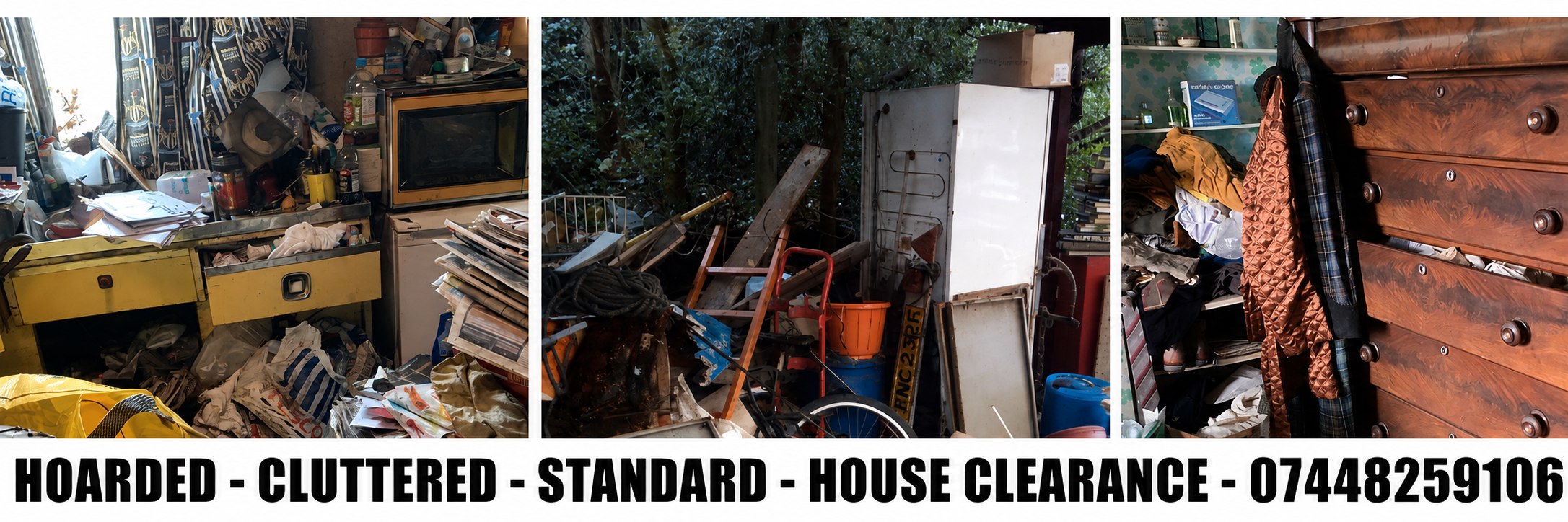
When relatives approach us about clearing an Edinburgh property under probate, we encourage them to give as much detail as possible about the contents and layout. A property that has accumulated furniture and papers over several decades can include large items such as sofas and shelving units, as well as smaller but equally significant possessions like filing cabinets and storage boxes. The scale can vary enormously, so a clear description helps us prepare an accurate, no-obligation quotation.
It’s also important for clients to mention any outbuildings such as garages or sheds, or loft spaces containing stored items. These add to the overall scope and can affect the time and resources required. Being upfront about parking availability near the property and any challenges with entry—for example, if keys need to be collected from a distant relative—also informs our planning and pricing.
Property Contents and Important Belongings in Edinburgh
Contents in a probate house fall broadly into categories of what might be donated, retained, or disposed of. Old furniture in reasonable condition, such as classic wooden dining tables or sturdy bookcases, can often be offered to charity shops or community groups, subject to client instructions. However, we never guarantee acceptance as this depends on external organisations’ criteria and timing.
Other items, like decades-old paperwork in filing cabinets or family photographs stored in boxes, usually require careful segregation. Important belongings such as jewellery and wills must be identified and set aside according to executor instructions. Meanwhile, unwanted clutter can be cleared promptly, but only after client confirmation to avoid accidental disposal of treasured possessions.
Planning Probate House Clearance in Edinburgh
When clearing a probate property remotely, communication with the executor or appointed relatives becomes crucial. We work with the person authorised to give instructions, agreeing in advance the scope of clearance, which may be partial or full. Documented authority avoids confusion about which possessions should be retained, labelled, or removed.
Clear agreement on practicalities such as who holds the keys, access times, and parking arrangements helps avoid delays. This planning phase often includes a room-by-room inventory of the property’s contents, enabling us to sequence the clearance efficiently and cater to any specialist handling requirements for delicate or valuable items.
Probate House Clearance Case Study — Edinburgh
We were approached regarding a probate enquiry for a townhouse in Edinburgh where the property was densely packed with decades of accumulated furniture and paperwork. The main living areas contained bulky sofas and shelves heavily laden with books and ornaments, while several filing cabinets in the study held important documents and family records. The key complication was that the family members involved were dispersed across different locations and had to coordinate decisions remotely.
Access to the property was restricted, requiring us to collect keys from a trusted relative nearby. Parking was limited on the street, so we had to plan equipment and van positioning carefully to avoid congestion. Initial talks with the executor revealed an instruction to preserve all personal correspondence and wills stored in the filing cabinets before proceeding with bulky removals.
We advised a phased approach: first, we sorted and labelled all paperwork, setting aside files and documents explicitly marked as ‘retained’ by the family. Only after this careful segregation did we begin removing unwanted furniture and clearing shelves. This method ensured that no significant items were inadvertently discarded, which was critical given the multiple relatives’ involvement and the importance of accuracy.
Throughout the process, we maintained detailed records of what was retained and what was removed, photographing labelled boxes and confirming decisions with the executor via email. Although this clearance could not be completed in a single visit, this coordinated, transparent approach helped the family feel confident in the management of their loved one’s estate.
Family Possessions and Decisions in Edinburgh
Prior to clearing storage areas such as lofts or garages, it is vital to check for important personal belongings like wills, family photographs, jewellery, and official correspondence. These items often remain tucked away for years and may be mixed among general clutter. Executors typically request that these be retrieved and handed over with clear labelling.
It is common for multiple relatives to wish to review specific possessions before disposal, especially keepsakes with sentimental value. Establishing a process for this—whether through shared photographs or video calls—can prevent misunderstandings and ensure that treasured items are not lost in the clearance.
Probate House Clearance Costs and Quotations in Edinburgh
The presence of extra rooms, especially if they contain loft storage or outbuildings like sheds and garages, can increase a clearance’s complexity and cost. Each additional space may harbour bulky furniture, stored belongings, or hazardous waste requiring specialist disposal. This inevitably affects labour time and transport needs.
Clients should understand that agreed scope may need revisiting if unexpected volumes or difficult-to-access items emerge during clearance. Being flexible about these practical factors ensures the clearance can proceed without undue delays or surprise charges, provided all parties maintain open communication.
How to Enquire About Probate House Clearance in Edinburgh
When making a first enquiry about a probate clearance in Edinburgh, including photographs of the main rooms, outbuildings, and any storage areas is extremely helpful. Details about the type and condition of furniture, accessibility of the property, parking options, and keys’ location allow us to prepare a tailored quote.
In addition, informing us of any particularly sensitive or valuable items that must be retained or separately handled supports careful planning. Clear communication about executor authority and family involvement at the outset minimises delays and ensures that the clearance proceeds in line with everyone’s expectations.
Specialist Probate House Clearance in Edinburgh
One practical challenge we sometimes encounter during probate clearance in Edinburgh involves properties where important documents and valuables are interspersed across everyday clutter, such as paperwork crammed into filing cabinets beneath heavy furniture or stored in loft boxes inaccessible without specialised equipment. Taking a cautious step-by-step approach is essential: first securing the keys and access permissions, then methodically sorting and labelling sensitive material before tackling bulky removals. This minimises risk and respects the executor’s authority and family wishes throughout the process.
When large volumes of accumulated furniture and papers fill garages, sheds, and loft storage in addition to main living spaces, planning a multi-visit clearance often becomes necessary. Establishing early communication lines with relatives—particularly where they are geographically dispersed—permits staged decisions on retention and disposal. Our next recommended step is to arrange an initial survey, supported by detailed photos and a room-by-room inventory, enabling a flexible clearance plan that adapts to findings on site while safeguarding important possessions.
Discuss Probate House Clearance in Edinburgh
Successful probate clearance in Edinburgh hinges on early planning, detailed inventories, and transparent dialogue among all relatives. Accounting for extra spaces and sensitive personal belongings ensures a thorough clearance that honours the wishes of the estate while managing practical challenges smoothly.