
Probate House Clearance Carnforth
Probate house clearance in Carnforth requires careful differentiation between indoor possessions and outbuildings, with executors navigating access, retention decisions, and phased planning to meet estate responsibilities effectively.
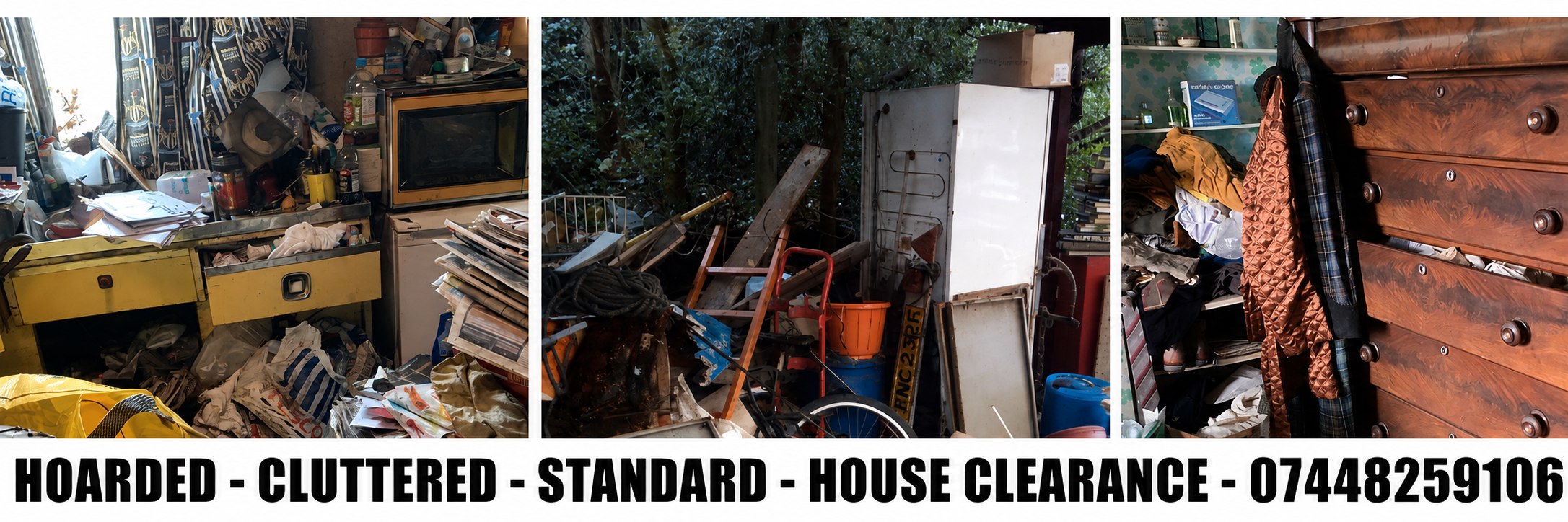
Within a Carnforth property awaiting probate clearance, the variety of contents presents a tangible challenge. From stacks of garden tools scattered in the shed to boxes of old furniture filling the garage, each category demands different handling. While some items may simply require removal, others—such as family photographs tucked away inside loft cupboards—call for careful preservation and clear instructions regarding their fate.
For executors or family members tasked with managing the estate, understanding these distinctions early on shapes the entire clearance plan. The presence of outbuildings alongside the main residence further complicates this, especially when questions arise over which areas fall within the clearance remit. Clarity about access, possessions to retain, and the scope of work becomes crucial before any practical steps can be taken.
Probate House Clearance in Carnforth — What to Consider
At the outset, executors or family representatives in Carnforth often face a critical decision: whether to clear the entire property, including outbuildings, or to focus on specific rooms and storage spaces. This initial choice directly affects timelines and resource allocation. For instance, agreeing to a comprehensive clearance means addressing all contents from the main house to external garages and sheds, whereas a partial clearance might concentrate on the indoor living areas only.
Such decisions rarely hinge on convenience alone. Legal responsibility under probate grants executors authority to manage the estate’s possessions, but they typically require unanimous agreement among beneficiaries regarding what is retained or disposed of. This practical consequence underscores the need for early discussions and documented instructions to avoid misunderstandings during clearance.
Property Contents and Important Belongings in Carnforth
The contents of a property awaiting probate clearance often include items that differ vastly in nature and significance. Beyond typical household possessions, it is common to find important family photographs, bundles of personal letters, or legal paperwork nestled among everyday objects stored in cupboards or loft spaces. Identifying and segregating these sensitive materials early protects them from accidental removal or disposal.
This process demands meticulous attention, as paperwork related to the estate or deeds might be mixed with general clutter. For example, a filing cabinet in the study could contain both banking documents and personal correspondence. Executors must ensure such items are clearly distinguished to support the legal administration of the estate and respect the memory of the deceased.
Planning Probate House Clearance in Carnforth
Planning a clearance involves practical considerations such as obtaining keys for all locks, confirming parking arrangements for clearance vehicles, and assessing site access. In Carnforth properties with outbuildings, garages and sheds might be detached or located at the rear, requiring clear passageways and adequate space for loading items.
Moreover, characteristics like narrow staircases or tight hallways can impede the removal of bulky furniture. When clearance is arranged remotely, clarifying these access points beforehand is essential to avoid delays. Executors should confirm in writing which keys are available, if agreed clearance boundaries include external areas, and how sign-off procedures will be handled without necessarily requiring on-site presence.
Probate House Clearance Case Study — Carnforth
We were approached regarding a clearance inquiry for a Carnforth house that came with several outbuildings containing garden tools, boxes of old furniture, and miscellaneous items. Our initial conversation focused on establishing precisely which areas the client wished to include, as the estate’s executor was unsure whether the shed and garage were part of the clearance scope or should be left untouched for family members to sort.
We advised that a room-by-room approach often resolves such ambiguities. The main house’s storage cupboards and loft were to be cleared, focusing on removing accumulated belongings while setting aside important keepsakes identified by family instructions. The garden shed, however, contained seasonal tools and inherited items some relatives wished to retain, so we discussed how partial clearance instructions could address this.
Given the lack of on-site access at that point, we requested detailed photographs and an inventory of contents in both the indoor areas and outbuildings. We also clarified access concerns, verifying parking availability adjacent to the rear entrance and confirming that keys for all locked doors, including the garage, were accessible. This enabled us to prepare a tailored clearance plan accommodating the estate’s varied requirements without unnecessary delay.
Ultimately, the family agreed to a phased clearance: starting with the property’s interior and loft storage, followed by an optional second visit to the outbuildings after beneficiaries had inspected and marked items for retention. This staged approach respected executor authority while allowing relatives to make informed decisions regarding their inherited possessions, demonstrating the value of flexible planning and clear communication.
Family Possessions and Decisions in Carnforth
Distinguishing between possessions belonging to the deceased and those retained by beneficiaries is a delicate task. Executors must remain mindful that not all items within the property form part of the estate; some family members may have personal belongings stored there or wish to preserve sentimental items such as jewellery or personal letters.
In the Carnforth case, this meant carefully cataloguing items and following explicit instructions to avoid confusion. We recommended that executors liaise with beneficiaries to draw up a written record of retained possessions to prevent unintended disposal. Such transparency ensures that valuable keepsakes and heirlooms remain protected throughout the clearance process.
Probate House Clearance Costs and Quotations in Carnforth
Clearance costs hinge largely on the volume and nature of items to be removed, as well as any specialist disposal requirements. For example, old furniture may be straightforward to handle, whereas garden tools could require specific recycling routes or hazardous waste processes if tools contained fuel residues.
Identifying these factors prior to commencement allows for more accurate quotations and avoids unexpected expenses. In our experience with properties containing outbuildings like sheds and garages, upfront discussions about which items fall under specialist disposal categories help executors budget appropriately and make informed decisions about the clearance scope.
How to Enquire About Probate House Clearance in Carnforth
When arranging a probate clearance enquiry, it is beneficial for customers to specify whether they require a full or partial clearance. Partial requests might focus solely on internal rooms or exclude certain storage areas such as the garden shed or garage. Clear instructions enable a more precise quotation and avoid misunderstandings during the work.
Additionally, remote arrangements often necessitate advance provision of keys and photographic evidence of property contents to assist in planning. Executors should also clarify parking permissions and access limitations, especially where clearance vehicles need to approach rear or side entrances, to facilitate safe and efficient operations.
Specialist Probate House Clearance in Carnforth
In the context of probate clearance in Carnforth, properties with outbuildings present a distinct challenge compared to typical residential homes. Often, sheds contain garden tools and boxes of items accumulated over many years, including old furniture that may be worn or of uncertain value. Executors facing these circumstances must decide whether clearance includes these external structures or if they remain under family control for separate sorting. This decision can depend on the wishes of beneficiaries and whether the executor’s authority extends beyond the main dwelling. Negotiating these boundaries remotely, without an initial on-site inspection, demands detailed communication and well-documented instructions to ensure clarity.
Furthermore, the practicalities of access can differ significantly. Some outbuildings may be reached only via narrow paths or through the garden, complicating vehicle placement and item removal. For those arranging clearance from afar, confirming parking options near each clearance location and verifying available keys becomes essential. A stepwise clearance plan often suits these situations best, allowing initial work inside the house and loft storage to progress while beneficiaries consider their intentions for garden sheds and garages. This phased approach balances executor responsibilities with family preferences, underscoring the importance of detailed planning tailored to each Carnforth property’s unique layout and contents.
Discuss Probate House Clearance in Carnforth
Addressing probate house clearance in Carnforth involves clear communication about clearance boundaries, the condition of outbuildings, and access logistics, enabling executors and families to manage collections sensitively and efficiently.