
Bereavement House Clearance Edinburgh
Managing bereavement house clearance in Edinburgh demands sensitivity to family wishes and a clear plan to protect treasured possessions amidst practical challenges. Careful assessment, open communication, and methodical labelling ensure personal keepsakes are preserved, while the property is prepared efficiently for its next chapter.
A close relative faced a daunting choice: how to manage a family home in Edinburgh filled with decades of treasured memories and everyday clutter after a bereavement. Determining what personal mementoes must be preserved before any clearing could begin was paramount. This decision shaped the entire approach, ensuring that valuable keepsakes like framed photographs and handwritten letters were protected from accidental removal during the clearance.
The practical consequence of this early prioritisation meant a careful, methodical process was necessary to assess the home’s contents room by room. Sensitive belongings had to be distinguished from general property items, requiring clear communication with all those concerned and a tailored plan to respect family wishes while preparing the property for eventual sale or further use.
Bereavement House Clearance in Edinburgh — What to Consider
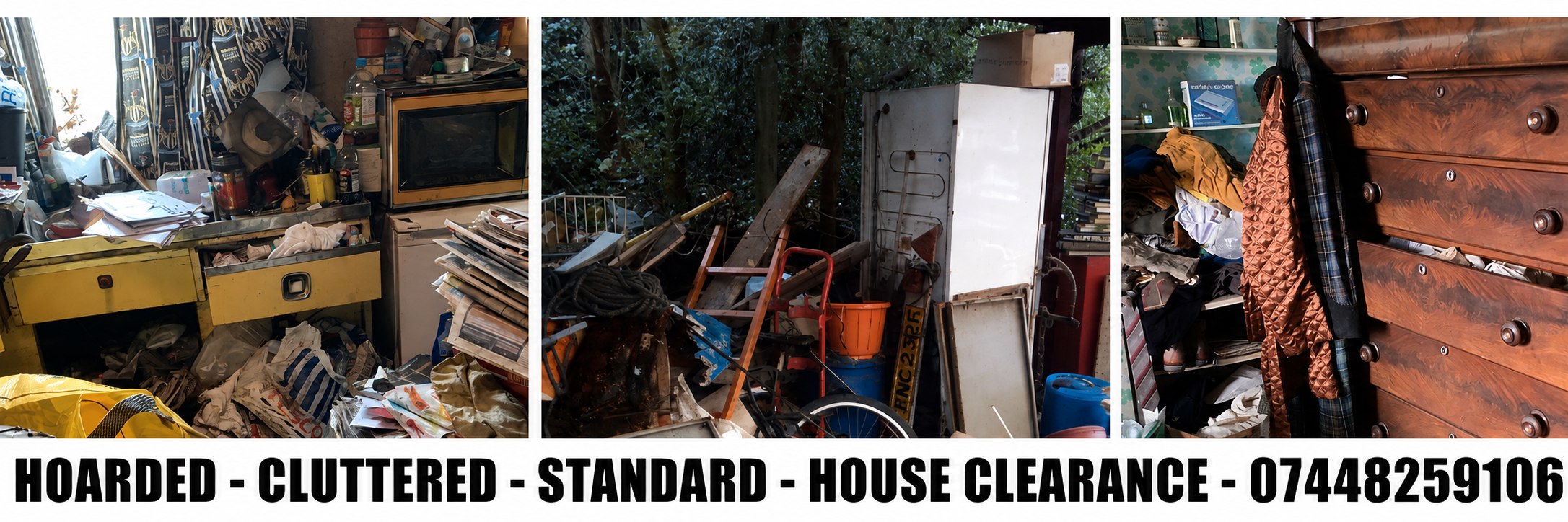
Understanding the true scale of clutter is essential when arranging bereavement house clearance in Edinburgh. Often, relatives find it challenging to convey accurately the volume and nature of belongings from a distance. Describing the property’s state with specific details—such as the number of rooms involved, the presence of sheds or garages, or the extent of cupboard and drawer contents—helps us prepare a realistic quotation and plan.
A relative’s overview can include observations about narrow staircases restricting access or the presence of heavy, outdated furniture. Such information allows us to anticipate logistical challenges and understand whether a partial clearance is more appropriate than a full property clear-out, streamlining the process while respecting the family’s requirements.
Property Contents and Important Belongings in Edinburgh
Deciding what to donate, retain, or dispose of is a delicate balance in bereavement clearance. While many household goods like worn furniture or outdated textiles may be suitable for donation or recycling, other items require preservation. Jewellery, personal letters, and sentimental keepsakes are often earmarked for retention, especially if identified by the family beforehand.
It is important to note that our service cannot guarantee the fate of every item without prior discussion. Each property’s contents vary widely, from useful cookware and books to garden tools found in garages or sheds. Open dialogue about preferences and potential charitable options ensures clarity about what remains and what must go.
Planning Bereavement House Clearance in Edinburgh
In many cases, especially when executors or relatives live remotely, the clearance plan is developed through detailed correspondence and virtual consultations. Establishing executor authority upfront is critical to proceed confidently with clearance instructions. This allows us to agree on scope, timescales, and which possessions must be labelled or set aside.
Clear instructions on retained items are documented explicitly to avoid misunderstandings. Whether partial room clearances or full property evacuations, coordinating these decisions remotely demands patience and flexibility, ensuring the clearance respects both legal and emotional considerations.
Bereavement House Clearance Case Study — Edinburgh
We once assisted with an Edinburgh home where access was limited by a steep, narrow staircase and a front door secured by an old lock requiring original keys. The executor, living abroad, arranged for a trusted local relative to provide access under our supervision. This logistics challenge meant we had to plan each stage meticulously to avoid repeated visits and unnecessary delays.
The property contained several cupboards and drawers filled with framed photographs, letters, and keepsake boxes. To prevent accidental disposal of sentimental items, we recommended grouping such possessions into clearly labelled retention boxes, kept separate from general waste or donation piles.
Our clearance sequence began with communal areas, moving next to bedrooms where the most personal effects were found. This room-by-room approach allowed us to honour specific instructions regarding family memorabilia and maintain clear records of items set aside.
Ultimately, the careful coordination between ourselves, the local relative, and the remote executor ensured that all important belongings were preserved intact, while the remainder of the property was cleared efficiently, paving the way for probate and sale without distressing the family further.
Family Possessions and Decisions in Edinburgh
Disagreements over family keepsakes can complicate bereavement clearances. In one instance, relatives differed on whether certain personal letters or jewellery should be kept or released. Employing a systematic labelling method to categorise retained items proved invaluable, providing a transparent framework all parties could reference.
By dividing possessions into groups labelled with clear ownership or instructions, we helped reduce tensions and prevented accidental loss of cherished articles. This approach respects the emotional significance of belongings while enabling practical progress in clearing the home.
Bereavement House Clearance Costs and Quotations in Edinburgh
Pricing bereavement house clearance depends on multiple factors beyond simply the volume of items. Access issues such as narrow halls or absence of parking can increase time requirements. Specialist waste disposal, for example of old electrical goods or hazardous materials, also affects costs.
Additionally, the degree of sorting required to separate valuables, donation items, and general rubbish influences labour intensity. While we do not provide set fees without inspection, these elements combine to inform a fair, transparent quote tailored to the specific property and family instructions.
How to Enquire About Bereavement House Clearance in Edinburgh
Executors making clearance enquiries benefit from clearly explaining their level of authority, especially if acting on behalf of other beneficiaries. Confirming access arrangements—including keys, alarm codes, or neighbour cooperation—allows us to plan visits efficiently and avoid delays.
Detailing which items must be retained or handled with particular care during the clearance helps us prepare suitable labelling systems and storage solutions. Early communication of these requirements ensures the clearance process respects family wishes and proceeds smoothly.
Specialist Bereavement House Clearance in Edinburgh
Bereavement house clearance in Edinburgh often involves important documents and personal photographs that hold significant sentimental and legal value. Deciding how to protect these requires a distinct approach, separate from general household clearance. Safeguarding wills, letters, and photographs involves careful handling and clear marking to ensure they are not lost or damaged during the removal process.
We recommend establishing a secure area within the property for these items or transferring them to a trusted relative or executor as early as possible. This precaution avoids confusion over ownership and provides peace of mind that the family’s history and legal affairs remain intact throughout the clearance.
Discuss Bereavement House Clearance in Edinburgh
Each bereavement clearance is unique, especially in a city like Edinburgh where properties vary widely in layout and contents. By focusing on early decisions about what must be retained, working closely with executors and relatives, and addressing access complications thoughtfully, a respectful and effective clearance can be achieved.