
Bereavement House Clearance Driffield
Clearing a bereavement property in Driffield requires thoughtful planning to balance emotional sensitivities with practical estate management. Early and clear communication about access, retained possessions, and clearance scope plays a crucial role in protecting important belongings while preparing the home for sale.
Facing the task of sorting through a loved one’s home following bereavement involves both emotional and practical challenges. Deciding which household items to retain, which to pass on, and what must be removed demands careful consideration, especially when personal keepsakes and important documents are interspersed among everyday belongings. Communicating these preferences clearly and early on can ensure a smoother process, respecting both the memory of the deceased and the needs of those managing the estate.
In Driffield, East Riding of Yorkshire, properties waiting to be sold after probate often present varied contents ranging from bedroom furniture to kitchen utensils and personal files. Understanding the scale of a clearance and agreeing a precise scope with the executor or family members are vital steps before any physical work begins. This approach helps avoid the distress of losing cherished keepsakes or essential papers amid the general clearance.
Bereavement House Clearance in Driffield — What to Consider
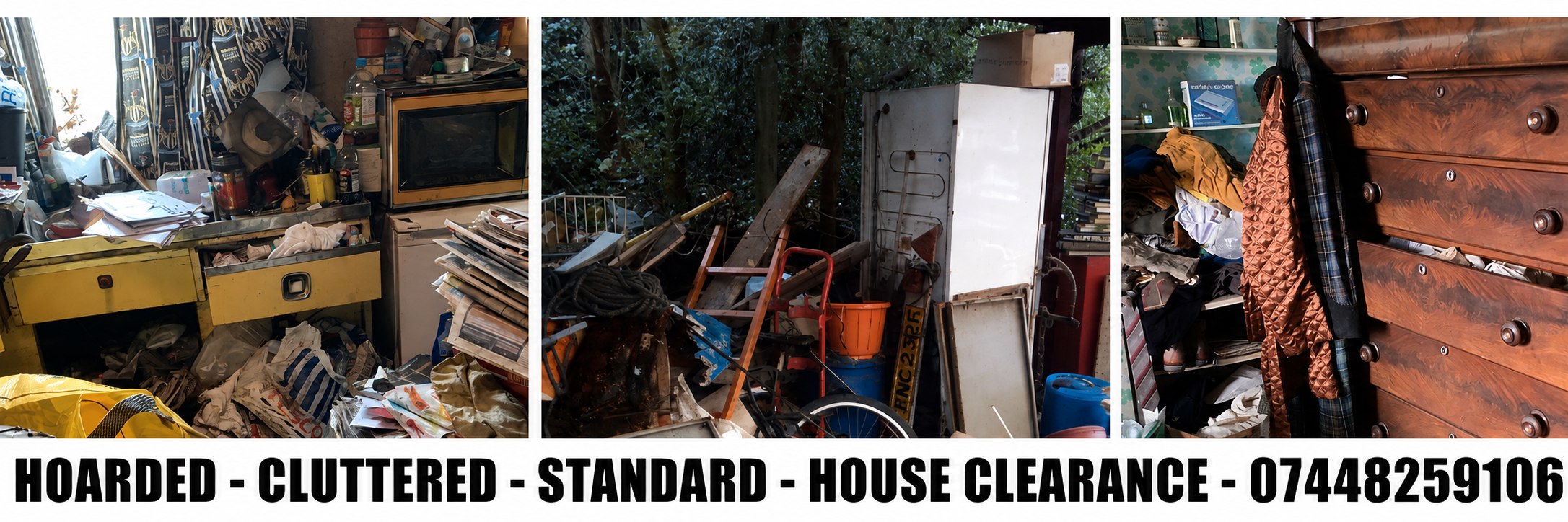
When preparing for a bereavement house clearance, the first key step is establishing a realistic description of the clutter’s extent. Family members or executors often provide an overview based on recent visits or phone consultations, helping us gauge whether the property mainly contains accumulated everyday items or if larger furniture and stored belongings are involved. Such insights allow us to offer more tailored guidance and approach quotations with an informed perspective on what’s likely to be encountered.
In Driffield homes, the contents can range widely. Some properties might have accumulated decades of items in garages and sheds, while others might present a more modest collection of personal effects and furniture. Being upfront about the scale helps avoid underestimating the clearance requirements or costs, ensuring that the eventual service matches the property’s actual state.
Property Contents and Important Belongings in Driffield
Within a typical household, decisions need to be made about individual items’ fate. Old furniture may be suitable for donation if in reasonable condition, while other pieces might be too worn for reuse and require disposal. Personal papers and files, including wills and official documents, must be carefully identified to avoid accidental loss, and kitchen contents often present a mix of usable items and perishables that need prompt sorting.
It is important to remember no guarantees can be given upfront about the final destination of belongings until they are assessed on site. While some items may clearly be destined for charity or family retention, others could be classified as specialist waste, especially if damaged or obsolete. This uncertainty underscores the value of planning and clear communication ahead of any clearance.
Planning Bereavement House Clearance in Driffield
Arranging a house clearance often involves coordinating with an executor or relative who may not be able to attend in person, particularly if the property is a distance away or the family is dispersed. Establishing clear instructions remotely on what to retain, dispose of, or donate forms a critical part of the planning process. This might include detailed lists, photographs, or labelling protocols for important belongings.
Access arrangements must also be agreed. Whether keys are held by the executor, a solicitor, or a neighbour, ensuring smooth entry and secure exit is essential. Additionally, defining the clearance’s room-by-room scope and obtaining the executor’s authority help us act confidently, respecting the deceased’s wishes and legal responsibilities.
Bereavement House Clearance Case Study — Driffield
We were approached to offer guidance on a probate property in Driffield where the executor was managing proceedings from a distance. The house contained a mixture of aged bedroom furniture, boxed personal files in the study, and accumulated kitchen items. The initial challenge lay in confirming the extent of access since the keys were held by a local solicitor who only permitted visits within strict timeframes.
Our team planned an initial assessment focused on gaining entry, identifying retained items, and noting any access limitations such as narrow staircases that required careful manoeuvring. We discussed with the executor the possibility of a phased clearance to align with the property sale schedule, balancing thoroughness with urgency.
During the walk-through, it became clear that some bedroom furniture and certain documents were earmarked for retention by family members, necessitating labelling and secured storage. The presence of personal letters and jewellery in several drawers meant we had to treat contents with particular sensitivity, marking these as ‘hold’ and segregating them from general disposal.
Ultimately, the clearance plan was sequenced to prioritise rooms with the heaviest accumulation first, maintaining communication with the executor for any emerging decisions. This method reduced the risk of losing important keepsakes and ensured the property was progressively prepared for sale within the agreed timetable.
Family Possessions and Decisions in Driffield
Family decisions regarding personal items often vary, especially when multiple relatives are involved. Keepsakes such as jewellery, letters, or photographs can cause disagreement if not clearly allocated beforehand. Introducing a system of labelled retention groups can streamline this process, allowing items to be set aside according to agreed instructions without confusion during clearance.
This approach means that even if relatives cannot be present during the clearance, their wishes are respected. Items for disposal are clearly distinguished from those retained, preventing emotional distress caused by accidental discards. Transparent labelling combined with photographic records often facilitates smoother family communication and settlement of inheritance matters.
Bereavement House Clearance Costs and Quotations in Driffield
The cost of a bereavement house clearance depends on several practical factors including the volume and type of contents, property access challenges, and the need for specialist waste removal. For instance, bulky bedroom furniture or hazardous materials in garages require additional handling and disposal costs. Narrow staircases or limited parking also add logistical complexity, impacting time and labour required.
We provide quotes based on an overall assessment of these elements, mindful of the executor’s timetable and expectations. While precise figures cannot be fixed in advance, clear communication of the property’s state and the scope of retained items helps us shape a fair and transparent pricing structure tailored to the individual clearance.
How to Enquire About Bereavement House Clearance in Driffield
When making an enquiry, executors should clearly outline their authority to act on behalf of the estate and provide details about property access arrangements, including how keys will be released. Information about any items to be retained, especially important documents and family keepsakes, should be shared to help us plan the clearance with appropriate care and precision.
Providing photographs or a rough inventory can be tremendously helpful in establishing the clearance’s scale and complexities. We also discuss potential obstacles such as narrow corridors or fragile possessions upfront, ensuring there are no surprises on the day and that all parties have confidence in the process.
Specialist Bereavement House Clearance in Driffield
In Driffield, as in many towns, one particular challenge in bereavement house clearance is safeguarding sensitive materials such as official documents and personal photographs stored amid everyday clutter. These items often hold immense sentimental and legal value but can be overlooked if lumped together with general waste. We recommend establishing a clear strategy for identifying and protecting such documents early in the clearance planning, ensuring they are either handed to the executor or securely stored as per family instructions.
Often, this involves setting aside a dedicated area within the house or a labelled container specifically for confidential papers and photographs. Our experience shows that a methodical approach to this protects against accidental disposal and provides peace of mind to all involved. Moreover, specialised handling of personal photographs respects the emotional weight they carry, which goes beyond their physical form.
Discuss Bereavement House Clearance in Driffield
The process of bereavement house clearance in Driffield is never straightforward, but with careful organisation, remote coordination, and respectful handling of personal items, it is possible to navigate practical obstacles. Tailored solutions reflecting the unique property contents and family wishes help ensure a sensitive and efficient outcome.