
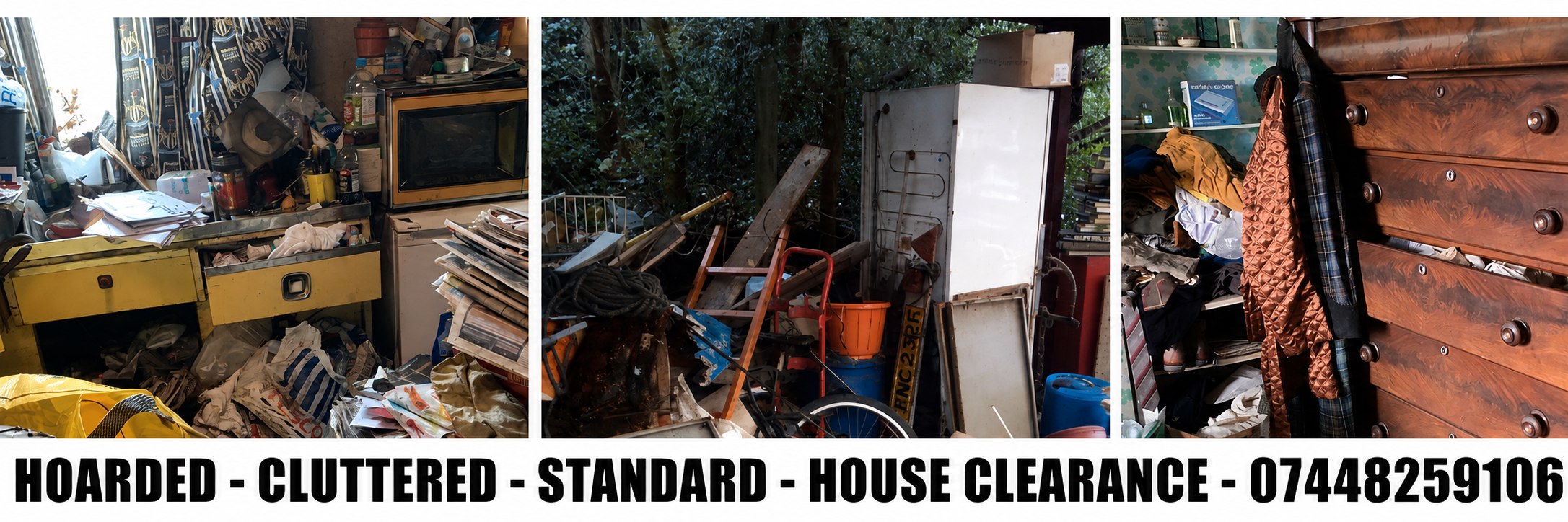
Bereavement House Clearance Chilton
Bereavement house clearance in Chilton demands not only logistical skill but also sensitivity to the families involved. Understanding authority, recognising treasured belongings, and careful planning can significantly ease the process during a difficult time.
Handling a bereavement house clearance in Chilton, County Durham, often begins with understanding the delicate circumstances of the family involved. When a loved one’s home becomes part of an estate, the people arranging the clearance must navigate both emotional and practical complexities before any possessions are moved or removed.
Initial clarity about the clearance requirement is essential, especially when the property contains various rooms filled with decades of accumulated belongings. It’s vital to approach the process with sensitivity and to confirm who holds authority to decide on the removal of household items and treasured keepsakes.
Bereavement House Clearance in Chilton — What to Consider
In bereavement house clearance, determining who is authorised to approve the clearance work can be complicated. While the executor named in the will or the probate documents usually holds this responsibility, sometimes family members need to clarify roles among themselves before proceeding. We never advise on legal authority but stress the importance of ensuring the decision-maker is clear to avoid misunderstandings during the clearance.
The person arranging the clearance must consider that some possessions may be subject to family discussions or legal considerations. This means the clearance may proceed only on the basis of agreed instructions, with specific items labelled for retention or further review, ensuring the process honours the wishes of all involved.
Property Contents and Important Belongings in Chilton
Properties in Chilton often contain a mixture of everyday furniture and highly personal items tucked away in cupboards, drawers and even attic boxes. Among these, family photographs, personal letters, and occasionally legal paperwork can be found, sometimes overlooked in the wider contents but critical to the family.
Identifying these important documents and keepsakes early in the clearance is crucial. For example, a storage cupboard might hold envelopes of correspondence or jewellery in small boxes, which require careful handling to avoid accidental disposal and to enable family members to make informed decisions.
Planning Bereavement House Clearance in Chilton
When planning a bereavement house clearance, several practical considerations influence the scope and timing of the work. The size of the property, the volume and nature of contents, and access arrangements such as parking availability or the presence of narrow stairs all factor into the quotation process.
Moreover, clear instructions about any items to be kept or excluded help us prepare an accurate proposal. Without full clarity, the initial quotation might need adjustment after an on-site assessment, reflecting the true workload and specialist disposal requirements, such as handling hazardous materials or electrical items.
Bereavement House Clearance Case Study — Chilton
We were approached regarding a Chilton property inherited by a family whose members needed help understanding what the clearance should cover. The home contained several rooms, including an attic filled with boxes and a living room with bulky furniture alongside multiple storage cupboards. Recognising the complexity, we proposed an initial visit to assess the contents without binding commitments.
On inspection, we discovered an assortment of personal documents layered beneath older furniture and in drawers—some legal papers relating to the estate alongside personal correspondence and photographs. These findings prompted a detailed discussion with the family about which items were to be retained and which could be cleared.
The family’s wishes were mixed: some relatives wanted personal letters preserved, while others were indifferent to certain household items like old chairs or unused garden tools. We suggested labelling retained possessions and agreed to segregate them securely during clearance to avoid confusion.
Notably, access to the attic was challenging due to a narrow staircase with no landing space for bulky items. We arranged for a partial clearance to remove easy-to-access furniture first, planning a second visit to manage the attic contents carefully, ensuring nothing was damaged or discarded inadvertently.
Family Possessions and Decisions in Chilton
Before clearing storage areas such as cupboards and boxes, we recommend carefully reviewing important correspondence and family photographs with relatives or executors. These items often carry sentimental value and may influence decisions on what to retain or pass on to beneficiaries.
In many bereavement clearances, certain keepsakes or jewellery are held back at the family’s request. Without this step, there is a risk that irreplaceable memories or legal documents could be disposed of unintentionally, complicating probate or causing distress.
Bereavement House Clearance Costs and Quotations in Chilton
The agreed clearance cost can be affected if the property’s condition is significantly different from what was initially described. For example, discovering additional furniture or a cluttered attic may require revising the quotation to account for extra labour or specialist disposal.
Clear communication during the process helps avoid surprises for all parties. If changes arise, we provide updated costs for approval before proceeding, maintaining transparency. This flexible approach supports families in managing budgets while handling an often unpredictable scope of work.
How to Enquire About Bereavement House Clearance in Chilton
When making an enquiry about a cluttered bereavement clearance in Chilton, it’s helpful to include details such as the property size, number of rooms, any known access challenges, and the types of contents present. Mentioning whether important personal belongings need to be set aside will also assist in tailoring the initial advice.
Photographs or videos of the property’s interior can be invaluable in assessing the scale and complexity. If the person making the enquiry is not the executor but a family member, clarifying who holds authority to make decisions will streamline subsequent discussions.
Specialist Bereavement House Clearance in Chilton
One recent enquiry involved a house in Chilton with an inherited estate comprising several rooms and various storage areas. The family approached us needing guidance on how best to tackle the clearance as the contents were partly unknown. On visiting, we began by identifying personal belongings—family photographs tucked behind living-room furniture and several boxes in the attic marked with vague labels. The attic’s narrow staircase posed a physical challenge, so we proposed a segmented approach to clear accessible areas first while keeping valuable items secure.
During the walkthrough, we noted legal papers mixed with everyday objects in cupboards and drawers. The family expressed a desire to retain certain correspondence and jewellery, which led us to implement a strict labelling system for all such items. The initial quotation was tentative, pending further clarification from relatives about items requiring retention. This phased planning ensured that clearance respected family wishes, accommodated practical access difficulties, and allowed for efficient disposal of unneeded possessions.
Discuss Bereavement House Clearance in Chilton
A bereavement clearance in Chilton often presents unexpected challenges, from accessing cramped attic spaces to identifying treasured keepsakes. By maintaining open communication with families and adapting to the property’s unique conditions, clearances can be managed compassionately and effectively.