
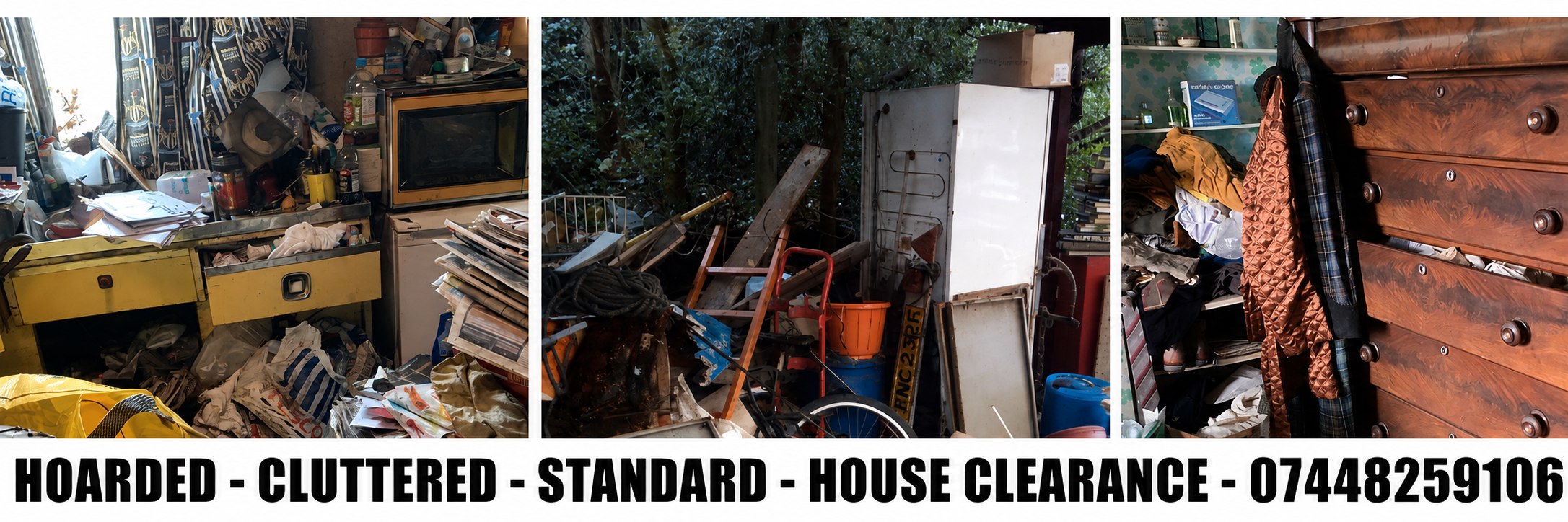
Bereavement House Clearance Chapelhall
Bereavement house clearance in Chapelhall requires balancing emotional considerations with practical challenges, especially when properties include cluttered outbuildings and sensitive personal belongings.
In the aftermath of losing a loved one in Chapelhall, North Lanarkshire, families often face the daunting task of sorting through a lifetime of accumulated possessions. Deciding what to keep—be it cherished photographs, heirloom jewellery or personal keepsakes—and what to clear away requires both sensitivity and clarity. Communicating these wishes effectively is essential to ensure the clearance honours the family’s intentions while managing practical challenges inherent in such properties.
Balancing emotional attachments against the practical need to clear space can become complicated when multiple relatives have differing ideas or when access to keys and property instructions comes from afar. Clear communication channels and structured planning underpin a bereavement house clearance that respects the memory of the departed as well as the executor’s authority.
Bereavement House Clearance in Chapelhall — What to Consider
Before arriving at a formal quotation, it helps if a relative provides a realistic description of the property’s contents and scale of clutter. This can include noting whether items are concentrated in principal rooms or dispersed across lofts, cupboards, garages and outdoor sheds. Such insights shape the scope of work and facilitate tailored advice on potential challenges, such as bulky old furniture or garden tools demanding specialist disposal.
Understanding the clutter’s extent early on prevents surprises during clearance and ensures the estimate reflects the true workload. In Chapelhall’s typical residential settings, properties often come with outbuildings, which might house decades of accumulated belongings, adding layers of complexity that are best identified upfront.
Property Contents and Important Belongings in Chapelhall
Among everyday possessions, valuable and sensitive items frequently hide in plain sight. Family photographs and personal letters often reside tucked away in drawers or stored in boxes alongside mundane household goods. Legal paperwork may be stashed within cupboards or overlooked in loft spaces, making a thorough yet respectful search essential.
These items carry significant emotional weight and may be crucial for probate or family history purposes. Taking care to flag such contents during clearance ensures they are set aside according to the family’s wishes, preserving precious memories amidst the broader task of decluttering.
Planning Bereavement House Clearance in Chapelhall
From the initial enquiry through to clearance, the process follows a practical sequence starting with an assessment of retained belongings. Executors often liaise with family members in different locations to confirm which items require safeguarding. This is followed by arranging suitable access, including coordinating keys that may be held remotely or with solicitors.
Clear written instructions detailing areas to be cleared—room by room, or partial versus full clearance—help prevent misunderstandings. When outbuildings like sheds or garages are involved, these are carefully incorporated into the clearance plan, mindful of any specialist disposal needs such as old paint cans or garden chemicals.
Bereavement House Clearance Case Study — Chapelhall
When an executor based outside Chapelhall approached us, the complexity of coordinating access and instructions became apparent. The property included a large garage and a garden shed, both packed with old furniture, garden tools and numerous cardboard boxes. Initially, the family was uncertain whether all outbuildings should be cleared alongside the main house contents.
Our first step was to clarify the scope of the clearance, verifying which areas held items the family wished to retain. The executor arranged for keys from a relative local to Chapelhall and provided us with written instructions regarding valuables to set aside, including a collection of personal photographs and a box of jewellery kept in a bedroom cupboard.
During our preliminary assessment, we identified several obstacles: narrow internal access corridors complicated moving bulky objects, and the shed contained garden chemicals requiring specialist disposal. We proposed a phased clearance, tackling the house’s loft and main rooms first, then returning to the outbuildings once family decisions on these spaces were finalised.
Through regular communication, we adjusted the clearance plan in line with the family’s evolving instructions and confirmed which items to retain or dispose of. This stepwise approach allowed the executor to manage the process remotely with confidence that the property was being cleared respectfully and efficiently.
Family Possessions and Decisions in Chapelhall
Disputes over family keepsakes often arise during bereavement clearances, especially when multiple relatives are involved. Personal belongings such as heirloom jewellery or treasured photo albums may become subjects of differing opinions regarding rightful ownership or sentimental priority.
To manage this sensitively, we recommend establishing labelled retention groups, where items earmarked for various family members are clearly segregated and documented. This practical method helps prevent confusion and supports equitable distribution, enabling the executor to uphold family wishes transparently and with due care.
Bereavement House Clearance Costs and Quotations in Chapelhall
Clearance costs can fluctuate if the property’s condition differs significantly from initial descriptions. Discovering additional storage areas, heavier-than-anticipated clutter or hazardous materials can necessitate revising the agreed quote to reflect extra labour, disposal fees or specialist services required.
We maintain open communication about such changes, providing updated estimates and seeking client approval before proceeding. This ensures budget expectations align with practical realities, avoiding unexpected expenses during sensitive times.
How to Enquire About Bereavement House Clearance in Chapelhall
When making an enquiry, customers in Chapelhall should specify if they require a partial clearance rather than a full property clearance. This might involve clearing just the main house interiors while leaving certain outbuildings or attic spaces untouched, based on family decisions or pending probate outcomes.
Providing details such as approximate volume of contents, access considerations like parking or stairs, and whether any possessions must be retained allows us to tailor advice and quotations effectively. We also clarify that no-obligation assessments help families weigh options before committing to clearance dates or costs.
Specialist Bereavement House Clearance in Chapelhall
A particular challenge in bereavement clearance within Chapelhall involves navigating properties with separate outbuildings, such as garages and garden sheds, that accrue decades of miscellaneous items. These spaces often contain hazardous materials like old paint or garden chemicals alongside furniture or tools that no longer have practical use.
Addressing this requires careful identification and segregation of such items early in the planning stage. We advise clients to consider phased clearances, allowing family members time to decide on retained belongings stored in these outbuildings. Our next step typically involves arranging specialist disposal for hazardous waste, ensuring compliance with environmental regulations while respecting the sensitivities of bereaved families.
Discuss Bereavement House Clearance in Chapelhall
Effective bereavement clearance in Chapelhall hinges on clear communication, flexible planning, and respect for family decisions, ensuring treasured possessions are preserved while managing practical property clearance needs.