
Bereavement House Clearance Canonmills
Navigating bereavement house clearance in Canonmills involves balancing respect for personal keepsakes with practical removal of accumulated furniture and paperwork. Effective communication and meticulous planning ensure that treasured belongings are preserved amid a thorough, sensitive clearance process.
Deciding which items to keep and which to clear from a bereaved family’s home in Canonmills can present a delicate challenge. Personal treasures such as cherished documents or jewellery often sit alongside decades of accumulated furniture and household contents, making it essential to communicate retention instructions clearly before any clearance activity begins.
Careful planning is vital to ensure that important possessions are protected while the broader task of clearing rooms or entire spaces progresses smoothly. The process requires understanding family wishes, access logistics, and the nature of property contents — all with sensitivity and respect for those affected.
Bereavement House Clearance in Canonmills — What to Consider
A complete clearance involves removing virtually all belongings from a property, leaving it empty and ready for sale or transfer. This contrasts with a selective clearance where only certain rooms, such as a garage or attic, or specific bulky items like sofas or cupboards are cleared, often at the direction of relatives wanting to retain some possessions. The choice depends largely on family priorities, legal responsibilities, and practical considerations including access and disposal.
In Canonmills, where older homes might contain substantial built-in storage or multi-storey layouts, selective clearance may help preserve important keepsakes without overwhelming the process. Deciding the extent of clearance early on helps establish a clear scope and avoids surprises later.
Property Contents and Important Belongings in Canonmills
Consider an aged cupboard tucked beneath a staircase, filled with a mixture of items ranging from handwritten personal letters and faded photographs to old gardening tools and unused kitchenware. Such a compact space typifies how emotionally significant belongings often share quarters with everyday clutter.
Elsewhere, an attic might house filing cabinets brimming with decades of paperwork alongside obsolete furniture like a tattered settee or worn shelving units. These contrasts in value and sentiment underline the importance of meticulous assessment before removal.
Planning Bereavement House Clearance in Canonmills
Planning a house clearance often involves liaising with executors or family members who may live some distance from Canonmills. Remote instruction requires detailed communication about what must remain, what can be discarded, and how treasured items should be labelled or boxed to avoid confusion.
Agreeing a room-by-room scope, clarifying entry arrangements including keys or security codes, and noting any access complications such as narrow stairwells help prevent delays. We find that early clarity on retained items ensures a smoother clearance and reassures relatives that their wishes are respected.
Bereavement House Clearance Case Study — Canonmills
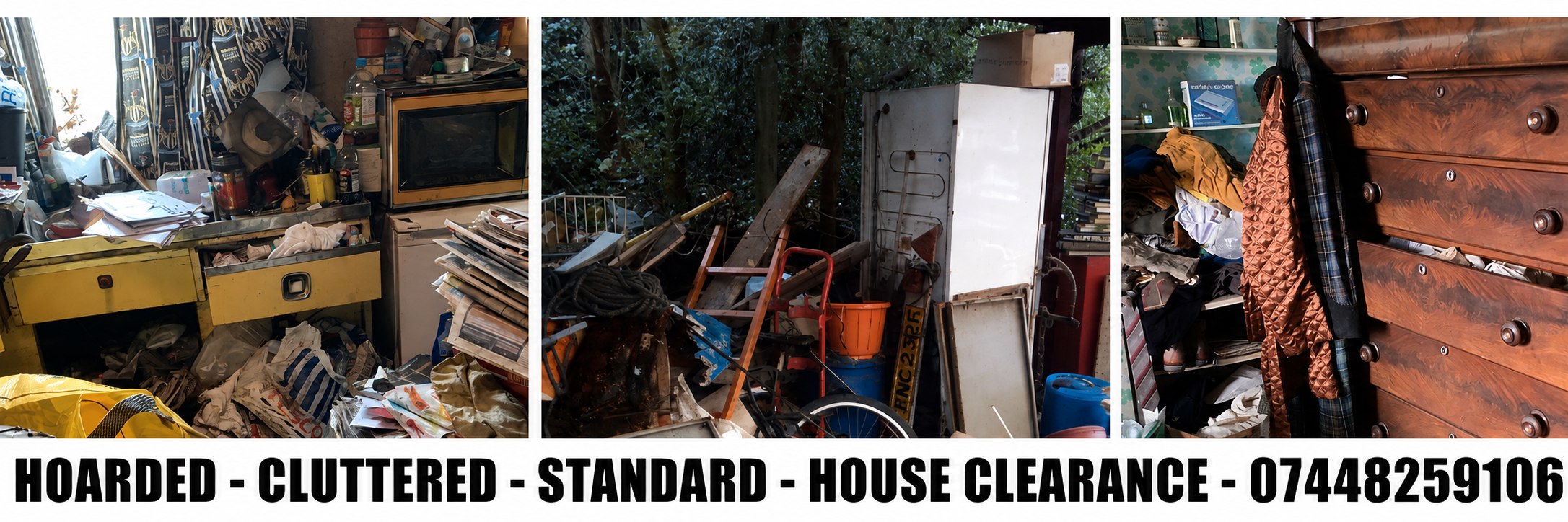
We were recently consulted regarding a property where decades of accumulated paperwork, furniture, and personal mementoes required careful sorting. The home included multiple filing cabinets stuffed with personal records, a collection of sofas showing signs of wear, and shelves crammed with books and keepsakes.
Our initial step was to discuss with the executor, who was coordinating decisions from outside Scotland, the extent of clearance and which documents and items were to be retained. It became evident that the personal records needed intricate review to separate legal papers, wills, and letters from items that could be cleared.
The bulky sofas and shelving demanded removal but only once the contents within were fully sorted—particularly in the case of one shelving unit housing jewellery boxes alongside loose paperwork. Labelling retained boxes and setting aside keys and documents formed a crucial part of our procedure.
By agreeing a staged clearance, we ensured the executor could remotely instruct us on any adjustments to what was kept. This approach also accounted for the physical challenge of transporting large furniture through narrow hallways common in Canonmills homes, ultimately balancing respect for personal belongings with practical removal.
Family Possessions and Decisions in Canonmills
An important element is avoiding confusion between the deceased’s personal possessions and items that beneficiaries have a right to retain. Jewellery, family photographs, and personal letters often require separate handling to ensure they are not inadvertently discarded.
Clear communication between family members and executors regarding which keepsakes hold sentimental or legal significance prevents tension. Marking such items clearly during clearance and cataloguing them allows everyone involved to understand what will be retained and what is destined for disposal.
Bereavement House Clearance Costs and Quotations in Canonmills
Costs for bereavement house clearance can be influenced by factors such as the number of rooms involved and whether outbuildings like garages or sheds require clearing. Each additional space adds to the labour, time, and disposal expenses involved.
In Canonmills, properties with multiple storeys or difficult access routes may also affect pricing due to the extra care needed in transporting heavy furniture through tight staircases or corridors. Early assessment and transparent scope agreements help manage expectations around budget.
How to Enquire About Bereavement House Clearance in Canonmills
When arranging a clearance enquiry, an executor should be prepared to explain their authority, often through probate documentation, and clarify access arrangements including key locations or security details. Providing detailed instructions about items to be retained or excluded is equally important.
We encourage a thorough explanation of the property layout and any particular challenges, such as narrow passages or fragile belongings, so our team can offer a realistic quotation and prepare accordingly. This approach ensures the clearance proceeds smoothly and in line with family wishes.
Specialist Bereavement House Clearance in Canonmills
In Canonmills, houses often feature older architectural details that can complicate clearance logistics, especially where rooms like cellars or rear attics are accessed via steep, narrow staircases. Such spaces may contain a mixture of valuable keepsakes and bulky, low-value items accumulated over decades. For instance, an attic might include vintage filing cabinets alongside fragile heirloom boxes, requiring delicate handling and careful labelling to separate the two.
Accounting for contents in these hard-to-reach areas demands a systematic approach. We typically recommend an initial detailed survey, followed by a clear plan to sort items on-site whenever possible. This might involve setting aside important documents or treasured jewellery first before moving heavier furniture or obsolete equipment. By doing so, clearance teams maintain respect for sentimental items while efficiently managing disposal and transport, a balance particularly crucial in the intricate layouts found in Canonmills residences.
Discuss Bereavement House Clearance in Canonmills
Bereavement house clearance in Canonmills demands careful attention to the unique challenges of older properties and the mixed nature of their contents. By focusing on clear instruction, thoughtful sorting, and practical considerations, families can manage the process with confidence and care.