
Bereavement House Clearance Bishopbriggs
Clearing a bereaved property in Bishopbriggs requires careful coordination to protect personal documents hidden among everyday items. Understanding the property’s scale, access challenges, and family priorities ensures a sensitive and thorough service.
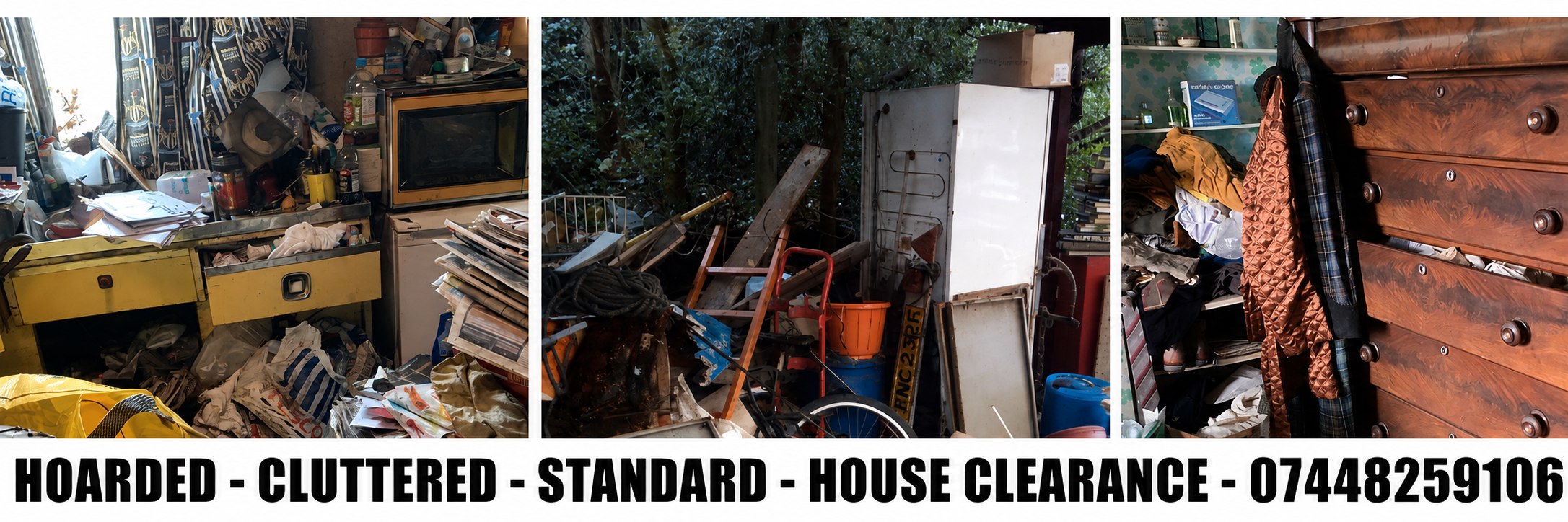
In a Bishopbriggs home awaiting bereavement clearance, the contents often span decades of family life, gathered in every nook and cranny. Old wardrobes groan beneath stacks of clothing, garages conceal garden tools and unlabelled boxes, while drawers hold an unseen trove of personal letters and faded photographs. Each object demands a different approach: some require careful preservation, others disposal, and many calls for thoughtful coordination between family and professionals.
The vast mixture of household goods and personal documents in these properties reflects the complexity of clearing a bereaved estate. For executors and relatives, the challenge lies in balancing thoroughness with sensitivity, especially when time is limited. Understanding the precise nature of the clutter before any clearance quote is essential to ensure nothing important is lost amid the everyday furniture and stored items.
Bereavement House Clearance in Bishopbriggs — What to Consider
When relatives first contact us regarding a bereavement clearance in Bishopbriggs, we encourage a clear, realistic description of the property’s content volume. The estate’s clutter may range from a modest flat with a few boxes to a large detached house filled over decades. This initial overview helps us grasp the clearance scale and complexity, enabling a more precise estimation without unnecessary visits or delays.
A comprehensive early discussion also highlights any known sensitive items or areas requiring special attention. For example, an elderly relative might mention that the garage contains decades-old gardening equipment alongside family heirlooms, or that paperwork is stored in several cupboards. These details shape the clearance approach and mitigate risks of overlooking vital possessions.
Property Contents and Important Belongings in Bishopbriggs
Personal photographs and legal papers frequently lie hidden among ordinary household belongings, often forgotten in drawers or stacked in cardboard boxes. In Bishopbriggs properties, it’s common to find these items mixed with old furniture or stored in garden sheds, increasing the difficulty of identifying what should be retained.
Family photographs are particularly vulnerable during clearance since they can be tucked away in albums or loose among miscellaneous paperwork. Likewise, wills, bank statements, and other vital documents may be misplaced amid everyday clutter, so a careful search is essential before any disposal or removal of property contents begins.
Planning Bereavement House Clearance in Bishopbriggs
Once an enquiry is made, we follow a practical sequence starting with gathering detailed information about the property layout, access points, and the family’s requirements for retained belongings. Confirming whether there are stairs or tight corridors can influence the clearance method and timing, especially if bulky furniture or garage contents are involved.
Next, a list of items to be preserved is compiled, often after consultation with the executor or family representatives. We then coordinate the clearance schedule to fit around any executor-imposed timetable, ensuring enough time is allocated for thorough checks of cupboards, drawers, and external sheds before final disposal.
Bereavement House Clearance Case Study — Bishopbriggs
An executor managing a Bishopbriggs estate from several hundred miles away recently contacted us to assist with clearing a property on a limited timetable. The home was full of accumulated furniture, personal items, and a cluttered garage, with the family eager to retrieve certain keepsakes and documents before the clearance.
We began by establishing clear instructions from the executor and arranging a preliminary visit to assess access and the volume of contents. The property’s main entrance was accessible for parking, but the narrow staircase leading to upstairs rooms required careful planning for bulky items. The garage’s contents presented a particular challenge due to mixed storage of garden tools and sealed boxes containing paperwork.
Throughout the process, we worked closely with the executor and local family members who identified boxes of personal letters and legal documents to be segregated. We labelled these items carefully to prevent confusion during removal, ensuring that no important paperwork was mistakenly discarded. Partial-clearance instructions allowed us to clear certain rooms promptly while pausing in areas earmarked for further family review.
By structuring the clearance in phases, we balanced the executor’s timetable with the family’s need to retain sentimental belongings. This approach minimized disruption and prevented loss of cherished documents, allowing the estate to progress without unnecessary delays or complications.
Family Possessions and Decisions in Bishopbriggs
Before any clearance can proceed, it’s vital to check thoroughly for important correspondence and documents that families may want to retain. Personal letters, wills, and official papers could be concealed among everyday items like loose papers in drawers or binders tucked behind furniture.
In Bishopbriggs properties, where homes often contain decades of accumulated possessions, relatives sometimes ask us to pay special attention to cupboards and storage units. Identifying these personal belongings early in the clearance process not only protects family interests but also prevents distress caused by accidental disposal.
Bereavement House Clearance Costs and Quotations in Bishopbriggs
Determining the clearance cost depends heavily on the discovery of specialist disposal items such as electrical appliances, garden waste, or hazardous materials stored in garages or sheds. These require separate handling and can affect the overall price significantly.
For example, a cluttered garage in a Bishopbriggs home might contain old paint tins, batteries, or large garden equipment necessitating adherence to environmental regulations. Clarifying these elements during the quotation phase helps avoid unexpected charges and ensures compliance with disposal standards.
How to Enquire About Bereavement House Clearance in Bishopbriggs
When arranging a bereavement clearance remotely, families benefit from providing detailed property descriptions. Information such as the number of rooms, presence of garages or outbuildings, parking availability, and access restrictions aids effective planning.
Additionally, clarifying whether certain items must be kept or if partial clearance is preferred enables us to tailor the service accordingly. In Bishopbriggs, where properties vary from compact flats to larger houses, such details are invaluable for scheduling and resource allocation.
Specialist Bereavement House Clearance in Bishopbriggs
Bereavement house clearance in Bishopbriggs entails more than just removing household items; it demands a sensitive, methodical approach focused on safeguarding personal documents and cherished belongings. Separating photographs and legal papers from routine clutter requires vigilance, especially when these items are tucked away in less obvious locations like sheds or under furniture. We recommend early labelling of retained possessions and clear communication with executors to prevent any inadvertent loss during clearance.
The practical challenges of coordinating with executors, especially those based out of area, can complicate timing and access arrangements. We work closely with family members to accommodate partial clearances and prioritise areas containing important correspondence or keepsakes. Understanding the property’s physical constraints, such as narrow stairways or limited parking, allows us to devise a clearance plan that respects both the deceased’s legacy and the executor’s responsibilities.
Discuss Bereavement House Clearance in Bishopbriggs
In Bishopbriggs, bereavement house clearance often involves complex decisions balancing urgency with preserving treasured possessions. Our experience shows that detailed advance planning, clear communication with executors, and careful handling of personal papers make the process smoother for all involved.