
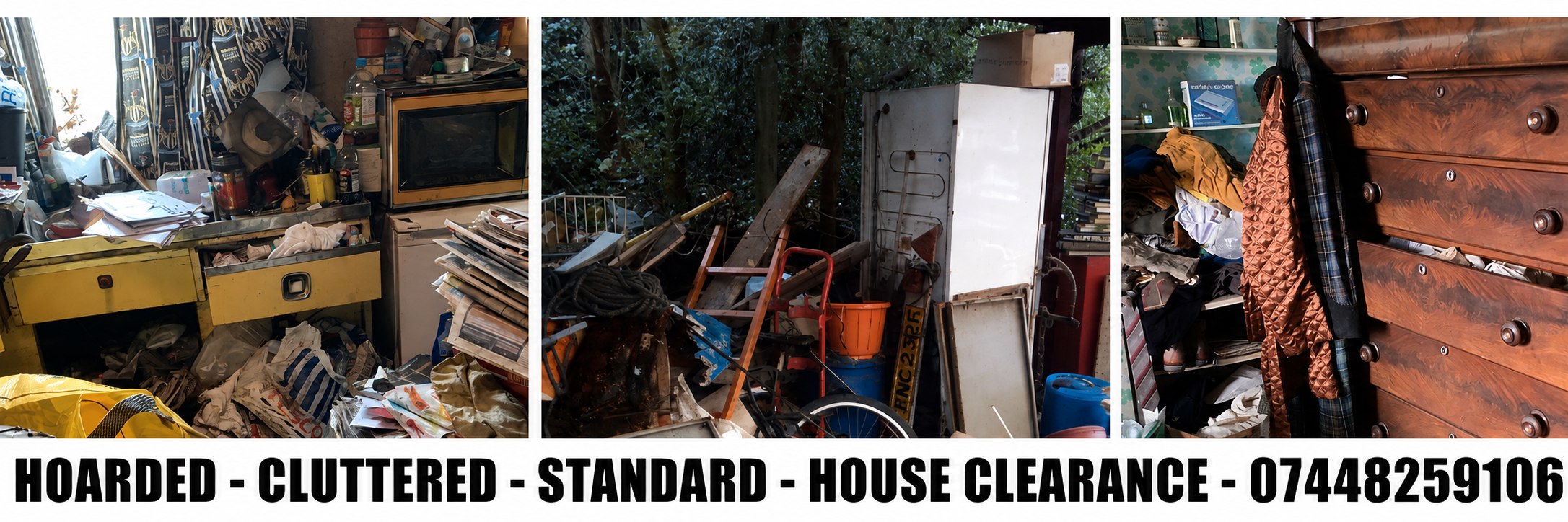
Bereavement House Clearance Balloch
Clearing a bereaved property in Balloch involves navigating access challenges, coordinating with distant family members, and carefully managing treasured possessions alongside everyday items. Our approach emphasises clear communication and tailored planning to respect family wishes and smooth the path to probate sale.
Facing the prospect of clearing a bereaved relative's home in Balloch often begins with uncertainty surrounding the authority to authorise the removal of household contents. Executors or appointed representatives frequently grapple with coordinating keys and instructions, especially when the estate is managed from a distance. Understanding who can give final clearance instructions is an essential step before any practical arrangements can be made.
For families preparing a property for sale within a set timetable, early clarity on these authorisations can ease the process considerably. Being aware of the property’s access conditions and having a clear plan for handling treasured keepsakes versus general contents helps set realistic expectations for what the clearance will entail.
Bereavement House Clearance in Balloch — What to Consider
Determining who holds the authority to approve the clearance of a bereaved person’s household possessions is a common source of uncertainty. Often, executors or legal representatives act with the power granted by the will or probate, but permissions may also need to be coordinated with family members or other stakeholders. This initial uncertainty can delay clearance planning, so establishing clear lines of authorisation is crucial to proceed efficiently.
While we do not offer legal advice, we find that open communication among all parties involved, including solicitors if applicable, helps clarify who is responsible for decisions. Clarifying these responsibilities early ensures that the clearance process respects both legal obligations and family wishes.
Property Contents and Important Belongings in Balloch
Homes awaiting probate sale often contain more than just visible household items; personal photographs, legal paperwork and treasured letters are frequently tucked away within furniture drawers or kitchen cupboards. These intimate belongings require sensitive handling and sometimes special attention to ensure they are not inadvertently removed or disposed of.
In properties with cluttered rooms or limited access, important files might be mixed with everyday crockery or stored in outbuildings such as garages or sheds. Identifying and segregating these personal effects is an essential part of discerning what is to be retained or passed to the family.
Planning Bereavement House Clearance in Balloch
Preparing a house clearance quotation involves assessing a broad range of factors beyond just volume. Access routes, such as narrow staircases or restricted parking nearby, can affect the hours needed and the equipment deployed. Additionally, instructions regarding which items must be retained, labelled, or separately packed influence the scope and cost of the service.
We consider any specialist disposal requirements—like electronics or hazardous materials—that may arise from particular household contents. Each element feeds into a bespoke plan ensuring the clearance is both thorough and compliant with environmental standards.
Bereavement House Clearance Case Study — Balloch
We were approached by an executor coordinating remotely for a property in Balloch with a tight timeframe before sale. The home presented a mix of bedroom furniture, filing cabinets with personal files, and kitchen contents that needed sorting. The first challenge was arranging access since keys were held by a relative living in another region, necessitating careful scheduling to fit in with all parties’ availability.
On visiting, we discovered a bedroom dominated by an old wardrobe and a chest of drawers, inside which were family photographs and personal letters carefully stored among everyday clothing. The adjacent kitchen cupboards housed a variety of utensils alongside sealed plastic folders containing legal documents. Deciding which items to clear and which to set aside required detailed discussion with the executor and family members.
They authorised us to retain any items clearly marked as important, but in several cases, the markings were incomplete or missing. We devised a labelling system on behalf of the family to tag boxes and furniture drawers needing further review before final disposal. The garage contained bulky garden furniture and storage boxes, some with contents of uncertain value or sentiment, which complicated the clearance’s initial scope.
By breaking down the clearance into phases—first retrieving and labelling personal possessions, then clearing general household contents—we provided the executor with a clear framework. This allowed the family to make informed decisions remotely while progressing the sale preparations on schedule.
Family Possessions and Decisions in Balloch
Before clearing cupboards or drawers, verifying correspondence and other personal items is vital. Letters may contain essential information about the deceased’s affairs or sentimental notes the family wishes to keep. Overlooking such contents can cause distress or delay estate administration.
We recommend that executors or relatives review any important documents found during a preliminary inspection and communicate which belongings must be preserved. This step helps avoid unnecessary removal or disposal and ensures family decisions guide the clearance process respectfully.
Bereavement House Clearance Costs and Quotations in Balloch
Clearance quotes often rely on an initial assessment of the property’s state, but changes can arise. For example, discovering additional rooms or outbuildings packed with items—or identifying obstructed access routes—may require revising the agreed price. We communicate such adjustments promptly to maintain transparency.
Similarly, if instructions on retained items change partway through the process, this can affect the volume of waste to remove or the time needed. Flexibility and clear communication between our team and clients helps accommodate evolving circumstances without unwelcome surprises.
How to Enquire About Bereavement House Clearance in Balloch
When making the first enquiry about clearing a cluttered house in Balloch, it’s helpful to provide details such as the property type, access conditions (including parking and stairs), and the general state of contents. Sharing information about any valuables or items to retain also assists in preparing an accurate scope.
If keys are held remotely or by different family members, noting this upfront allows us to coordinate access efficiently. Including your role, whether executor or close relative, and any relevant timelines for clearance or sale helps us tailor our response to your needs.
Specialist Bereavement House Clearance in Balloch
A particularly challenging aspect of bereavement clearance in Balloch can be the presence of a room with difficult access—such as a loft space reached only by a narrow staircase or a basement with low headroom. These areas often house a mix of old furniture, storage boxes, and forgotten personal items. Accounting for such spaces requires careful inspection to avoid missing important belongings or underestimating the clearance workload.
In one case, a rear room accessible only via a steep flight of stairs contained several packed cartons and loose items scattered around an ageing filing cabinet. Our team needed to implement specialist handling techniques and appropriate packing to ensure nothing was damaged or lost. This experience highlights how detailed planning and site knowledge are vital for a thorough and sensitive clearance.
Discuss Bereavement House Clearance in Balloch
Bereavement house clearance in Balloch demands practical solutions that balance legal responsibilities with the emotional weight of family keepsakes. Early clarification of authorisations, detailed property assessment, and considerate handling of personal belongings are key elements in delivering a clearance that supports the estate’s timely sale and honours the deceased’s memory.