
Bereavement House Clearance Baillieston
A Baillieston bereavement house clearance often demands nuanced planning to manage bulky furniture, personal keepsakes, and access restrictions. Partial clearances with detailed retention labelling ensure sensitive handling of family possessions while preparing a property for market sale.
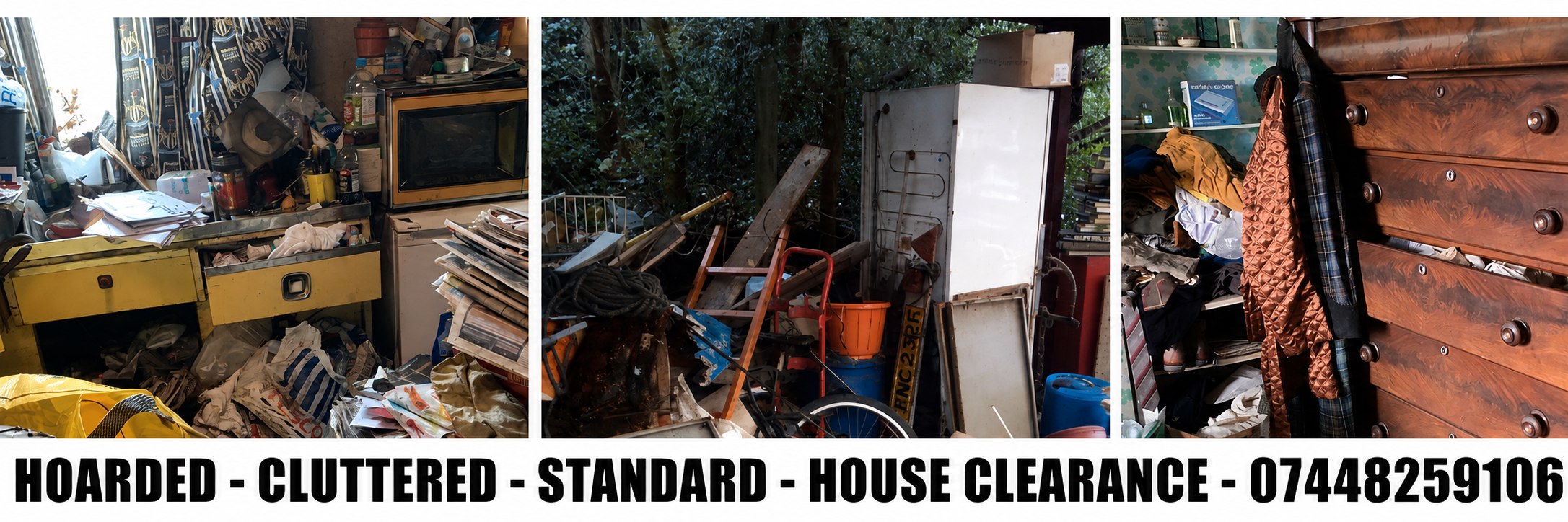
Within a Baillieston property awaiting sale after a bereavement, the variety of household objects can demand very different handling approaches. An inherited wardrobe filled with clothing contrasts sharply with a compact desk laden with personal letters and storage boxes holding loose photographs. Each item’s significance and practical bulk shape how the clearance must be planned and executed.
The complexity increases when relatives wish to preserve specific rooms untouched, keeping certain belongings intact amid a broader clearance. This balance between sensitive keepsake management and the practical need to clear space highlights the detailed groundwork required before a clearance team can proceed confidently.
Bereavement House Clearance in Baillieston — What to Consider
Understanding the scale of clutter is fundamental before any clearance quotation can be offered. Relatives or executors often have a clearer picture of the rooms to be cleared and which items must remain untouched. Descriptions of clutter areas—such as cupboards overflowing with miscellaneous contents or boxed collections in loft spaces—help us gauge the scope as realistically as possible, avoiding underestimation or overcommitment.
Accurate details about the volume and diversity of household contents allow a clearer understanding of the clearance’s scale. This includes assessing access challenges and identifying any hazardous materials. When a relative can describe these elements precisely, it facilitates a straightforward and tailored quotation process without major surprises.
Property Contents and Important Belongings in Baillieston
In one Baillieston property we considered, a bulky Victorian wardrobe was a central piece. Its inclusion in the clearance required careful discussion, as relatives wished to retain it. Such large furniture pieces affect both the physical manoeuvring during clearance and the overall volume of disposables, so confirming which bulky items remain or go early in planning is essential.
Other property contents like desks filled with personal paperwork or storage boxes stacked in the loft also demand special attention. Deciding whether these are included often depends on executor instructions and family wishes. Clear labelling and separate handling are typically necessary when some rooms or furniture are excluded from clearance.
Planning Bereavement House Clearance in Baillieston
Planning the clearance involves close coordination with executors who may be managing matters from afar. In Baillieston cases, it is common to agree detailed instructions remotely, specifying precisely which rooms are to be cleared and which stay untouched. This ensures the clearance aligns with the estate’s requirements and respects family wishes.
Agreed instructions often include labelling items to be retained, setting exclusion zones, and clarifying access routes. Considering factors like narrow staircases or limited parking nearby also informs the practical logistics of the job. This planning stage avoids last-minute uncertainties and smoothes the clearance process.
Bereavement House Clearance Case Study — Baillieston
We were approached regarding a Baillieston property due for sale following the owner’s passing. The family wanted a partial clearance, focusing on the ground floor rooms while keeping the upstairs intact. The house contained several bulky wardrobes, a vintage writing desk, and numerous storage boxes in the loft. Our first task was to confirm the boundaries of the clearance and understand any access limitations.
The property’s narrow hallway and staircase complicated moving large furniture. Relatives were keen that the wardrobes remained untouched, so we had to clearly mark exclusion areas. The loft storage boxes, packed with old letters and family documents, were to be sorted carefully, with any important items set aside according to executor instructions.
Throughout assessment, we coordinated with the executor living in another part of Scotland. They provided detailed lists of items to keep, including jewellery and certain keepsakes stored within drawers of the desk. This required careful labelling and partial clearance that respected these wishes while clearing other rooms efficiently.
After agreeing the scope and confirming parking restrictions on the street, we outlined a phased clearance plan. This allowed the family to review retained-item labels before final disposal of cleared contents. The outcome was a carefully managed clearance, balancing respect for the family’s needs with the practical goal of preparing the property for market sale.
Family Possessions and Decisions in Baillieston
Disputes over family keepsakes often arise in bereavement clearances, particularly when relatives differ on what should be retained. In Baillieston cases, labelling groups of personal possessions helps clarify intentions and avoids accidental clearance of treasured items. Jewellery, letters, and wills usually form part of these labelled retention groups.
Using visible, agreed labelling systems reduces misunderstandings and allows clearance staff to separate items properly on site. It also assists executors in managing delicate decisions remotely, preventing emotional distress over lost objects and ensuring important belongings are preserved for the family.
Bereavement House Clearance Costs and Quotations in Baillieston
Clearance costs hinge largely on identifying any specialist disposal requirements before the job commences. In Baillieston, items such as old electrical appliances, bulky furniture, or hazardous materials require authorised removal channels, affecting pricing.
Clarifying which objects fall under these categories ahead of clearance prevents unexpected charges and delays. For example, a bulky antique wardrobe may need dismantling, and certain stored chemicals or batteries in loft boxes must be handled through approved procedures, adding to complexity and cost.
How to Enquire About Bereavement House Clearance in Baillieston
Executors arranging a clearance enquiry need to communicate their authority clearly, often by confirming they hold probate or legal responsibility for the estate. This helps avoid confusion at the property and ensures all parties are aligned on clearance boundaries.
Details about access, such as parking availability, width of doorways, and staircases, must also be provided upfront. Equally important is explaining which items will be retained or excluded, allowing specialist teams to plan accordingly and offer accurate no-obligation quotations tailored to the specific Baillieston property.
Specialist Bereavement House Clearance in Baillieston
Confirming the boundary of the clearance is a critical step, especially when families in Baillieston wish to leave certain rooms or items untouched. In one such scenario, the family clarified which bedrooms upstairs were off-limits and which downstairs rooms were to be cleared. We marked these zones clearly during our visit and labelled stored items accordingly. This approach instilled confidence that sensitive possessions would remain protected while other areas were tackled systematically.
The practical challenge of navigating narrow hallways and limited street parking was addressed by planning the timing and equipment needed for the bulky furniture removals. The client’s instructions guided us to exclude specific wardrobes and the desk, leaving them intact within the property. Our specialist clearance plan balanced respecting the family’s wishes with efficient disposal of unwanted contents, all while preparing the property for its forthcoming sale.
Discuss Bereavement House Clearance in Baillieston
Successfully navigating a bereavement clearance in Baillieston requires early, clear decisions about which rooms or items remain untouched, thorough communication with executors, and practical arrangements for access and specialist removal. This careful planning protects treasured belongings and smooths the path to finalising the estate.