
Bereavement House Clearance Accrington
Bereavement house clearance in Accrington requires a careful balance of practical deadlines and sensitive handling of family possessions, with clear planning and communication central to successful outcomes.
Sorting through the possessions of a loved one in Accrington following their passing presents practical and emotional challenges that require thoughtful handling. Family members, often acting as executors, must balance the urgency of preparing a property for sale with the sensitive task of preserving cherished keepsakes and important documents.
Before arranging for a bereavement house clearance, it is essential to understand the scope of work involved and how the process can be tailored to fit the unique circumstances of the estate. Effective planning ensures the clearance supports both practical deadlines and the meaningful retention of personal belongings.
Bereavement House Clearance in Accrington — What to Consider
When an executor or family member takes on the responsibility of clearing a property after bereavement, the focus extends beyond simply emptying rooms. The decision to proceed hinges on understanding that the clearance impacts the whole estate’s management—enabling timely sale or rental while safeguarding valuables and sentimental items. It is less about a generic checklist and more about a practical, respectful approach to the space and its contents.
In Accrington, as elsewhere, the decision to commission a clearance often arises from a need to balance estate deadlines with thoroughness. Executors are frequently managing from a distance or within limited timeframes, making clarity about the clearance’s purpose and scale crucial before committing to any arrangements.
Property Contents and Important Belongings in Accrington
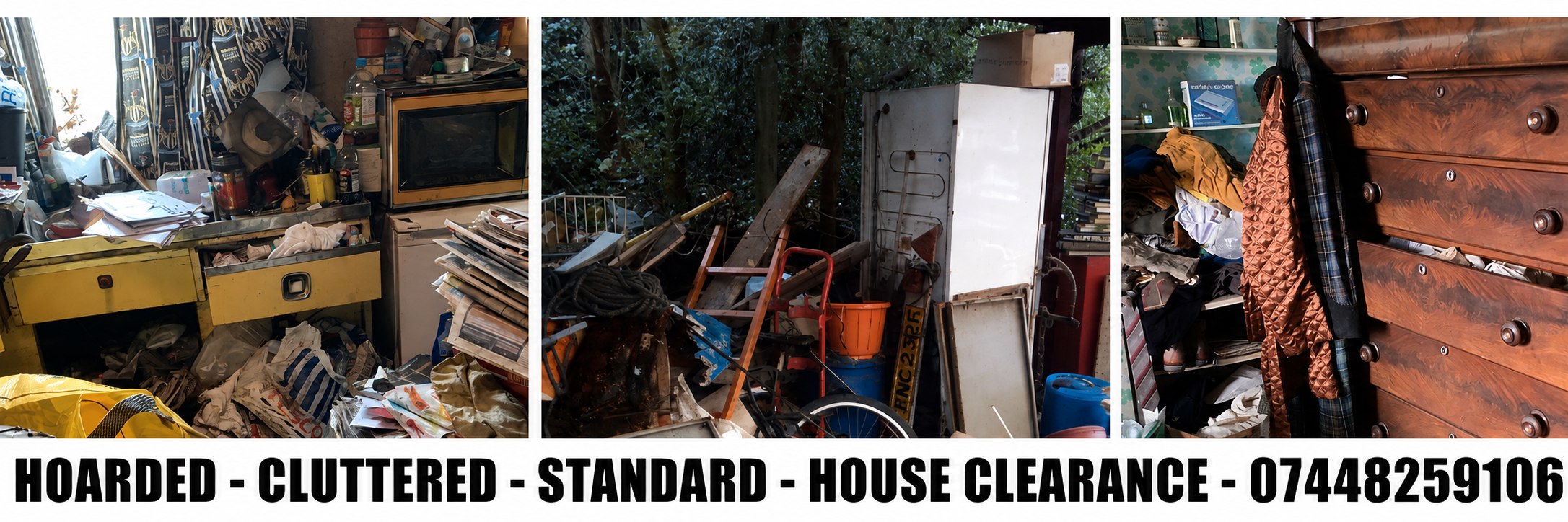
Properties often contain a mix of furniture, accumulated items in lofts, garages filled with tools or old boxes, and garden sheds brimming with forgotten belongings. Some items might be suitable for donation to charitable causes or family members, while others require disposal. Recognising what can be retained versus what should be cleared is key, especially when some possessions hold sentimental value but little market interest.
In a typical Accrington home, one might encounter vintage furniture, boxes of family photographs, jewellery tucked away in drawers, and essential paperwork. Garages and loft spaces often hold more than meets the eye, from garden equipment to heirlooms stored away for safekeeping. Differentiating these contents carefully is a critical part of the process, as not everything is immediately visible or clearly documented.
Planning Bereavement House Clearance in Accrington
The planning stage of a clearance depends on factors such as the property’s size, the volume and type of contents, and any family instructions regarding retained belongings. Access arrangements—like keys, parking availability, and ease of entry—also influence how a clearance can be scheduled and executed efficiently.
A quotation reflects these practical details, often requiring a room-by-room assessment to establish the scope. Executors’ authority must be confirmed, and clear labelling or instructions about which items are to be kept or cleared help avoid misunderstandings during the process. Partial clearance options are often requested to accommodate ongoing family decisions.
Bereavement House Clearance Case Study — Accrington
We were asked to advise on a property in Accrington where the executor faced a tight timetable to prepare an inherited home for sale. The house contained a considerable amount of personal effects, including old furniture, boxes of photographs, jewellery, and a garage filled with garden tools and stored items. The executor was coordinating with solicitors and needed a clearance plan that allowed family visits while progressing efficiently.
Our initial assessment highlighted the challenge of balancing urgency with care. The family wished to retain certain keepsakes found in the loft and some paperwork believed to be of legal importance, but these were mixed with general clutter. We proposed a phased clearance approach, starting with accessible rooms and leaving loft and garage contents for a later detailed review.
On site, we identified that clear labelling of retained items was essential, particularly for jewellery and documents. Parking access alongside the property was limited, which called for careful scheduling of vehicle usage to avoid local restrictions. Partial clearance instructions were agreed upon, allowing the family to reclaim important objects before the final removal of remaining items.
The outcome was a tailored clearance plan that met the executor’s deadline without compromising on the sensitivity needed for family treasured belongings. The property was left ready for sale, with the family confident that nothing of significance was accidentally removed.
Family Possessions and Decisions in Accrington
Decisions about personal possessions such as family photographs, jewellery, and wills require heightened sensitivity. Their sentimental value often outweighs any perceived monetary worth, and they may also be essential to legal processes. Families usually prefer to personally oversee these belongings, ensuring they are handled with respect and care.
In the circumstances of an Accrington home, these items may be scattered throughout the property—from drawers and cabinets to boxes in loft spaces or even hidden within the clutter of a garage. It is important for executors to communicate clearly which possessions must be kept safe and which may be cleared, perhaps with a detailed inventory or labels.
Bereavement House Clearance Costs and Quotations in Accrington
The cost of a bereavement clearance varies considerably depending on the quantity of items, the complexity of access, and any specialist disposal requirements. For example, dealing with bulky old furniture takes more time and care than clearing lightweight household rubbish, and garages or lofts needing special equipment can add to costs.
Additionally, the timeframe for completion influences pricing. Urgent clearances may require more resources or weekend work, while parking restrictions or narrow streets can complicate logistics. Clear instructions from the family, including what items are to be retained, can help avoid costly errors or delays.
How to Enquire About Bereavement House Clearance in Accrington
When making an initial enquiry about a cluttered house clearance in Accrington, it is helpful to specify the property type, the approximate volume of contents, any known special items to be retained, and access conditions such as parking or key arrangements. Providing photographs or a room-by-room description can assist in obtaining a more accurate quotation.
Executors should also mention any deadlines or particular sensitivities, such as the presence of important documents or family heirlooms. This transparency helps the clearance team to plan appropriately and propose a suitable approach that aligns with the family’s priorities.
Specialist Bereavement House Clearance in Accrington
Confirming the boundaries of a clearance is a critical step, exemplified by a family who specified that the main house and attached garage were included, but the garden shed and loft would remain untouched for the time being. This selective approach allowed them to retain certain items while clearing the bulk of the property. We worked closely with them to label items clearly and preserve access to the excluded areas, ensuring no accidental removal occurred.
Throughout the clearance, maintaining open communication with the family ensured their wishes guided our work, preventing any misunderstandings. The clarity of what should be cleared and what was off-limits was vital in managing the physical and emotional challenges of clearing a bereaved estate, delivering a respectful service aligned with the family’s intentions.
Discuss Bereavement House Clearance in Accrington
Families and executors in Accrington benefit most from a bespoke clearance approach that respects treasured belongings while facilitating efficient preparation of property for sale, supported by clear instructions and thoughtful logistics.